
News Capsule: Bangladesh Gains ‘Tariff-Free’ Edge in the US: What It Means for India
10-Feb-2026 01:42 PM
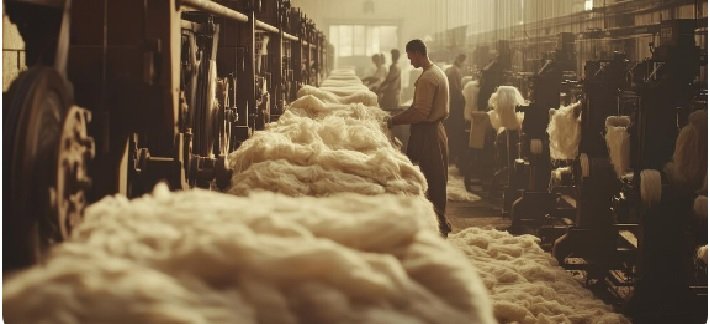
News Capsule: Bangladesh Gains ‘Tariff-Free’ Edge in the US: What It Means for India
★ Under the US–Bangladesh trade agreement, Bangladesh has secured a 19% tariff rate. Additionally, ready-made garments manufactured using US cotton or synthetic fibres will enjoy zero duty access to the US market.
★ This is expected to give Bangladesh’s apparel exports a competitive advantage in the United States.
~~~~~~~
US–Bangladesh Textile Trade
★ In 2024, US imports from Bangladesh stood at approximately $8.4 billion, with more than half comprising textiles and garments.
~~~~~
Implications for India
★ India has also recently concluded a trade deal with the United States, under which tariffs on Indian textile exports have been reduced from 25% to 18%.
★ This gives India a 2 percentage point advantage over Vietnam, which faces a 20% tariff.
★ However, Bangladesh will enjoy zero-duty access in select categories, potentially making it more competitive in those specific segments.
★ Bangladesh’s lower labour costs further strengthen its competitive position.
★ That said, India’s textile industry is far more diversified — covering yarn, fabrics, home textiles, technical textiles, and apparel — whereas Bangladesh’s exports are largely concentrated in ready-made garments.
~~~~~~~~~
Balancing Through the EU Market
★ India has also recently signed a trade agreement with the European Union, which provides tariff reductions of up to 12% and zero-duty access across textile categories.
★ The EU is India’s second-largest export market for textiles after the US.
★ Bangladesh has secured a tariff-free advantage in selected categories in the US market.
★ India retains a modest overall tariff advantage at 18% and benefits from market diversification.
★ While competition is set to intensify, India’s larger and more diversified supply chain provides it with structural strength.