
Emphasis on Resolving the Fertilizer Crisis
21-Mar-2026 12:40 PM
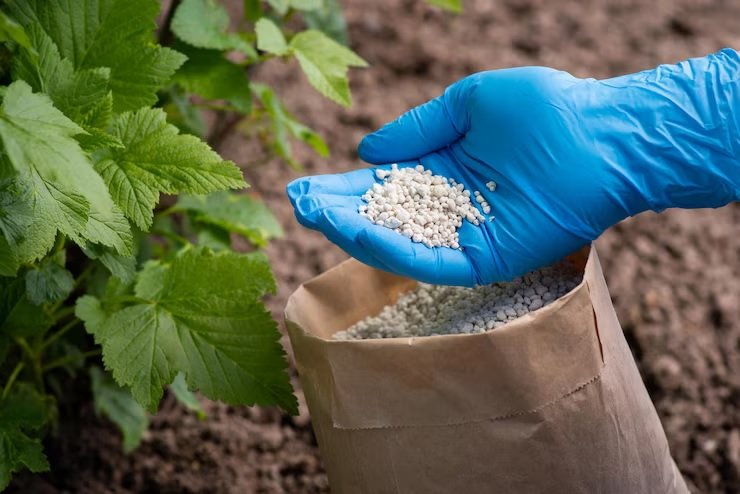
Initially, it was anticipated that the Iran-Israel conflict would end swiftly, leading to the expectation that imports of chemical fertilizers and petrochemicals from countries in the Gulf region would continue without interruption.
However, in light of the evolving situation, the Government of India has grown concerned. The conflict has now persisted for the past 21–22 days, and there appear to be no immediate prospects of it ending in the near future.
Consequently, the import of fertilizers from countries across West Asia, the Middle East, and the Gulf region has come to a complete standstill. Furthermore, China has also imposed restrictions on the export of these commodities.
As a result, a shortage of raw materials essential for fertilizer production has begun to emerge. The sowing of Kharif crops in India is scheduled to commence in June; prior to this, it is imperative to ensure an adequate supply of fertilizers and agrochemicals across all major agricultural states to facilitate farmers in initiating their farming activities in a timely manner.
Moreover, there are apprehensions that the El Niño weather cycle may remain active during the July–September period this year—a phenomenon that could pose serious challenges for the agricultural sector. Under these circumstances, a shortage of fertilizers could prove to be disastrous.
The Prime Minister's Office (PMO) has directed the Ministry of Agriculture to take all necessary measures to ensure the adequate availability of fertilizers and chemicals.
Additionally, the PMO has requested the Ministry of Agriculture to provide a comprehensive assessment of the specific challenges and issues that the agricultural sector may potentially face, thereby enabling the formulation of timely and effective solutions.
To address its fertilizer import requirements, India has initiated discussions with countries such as Russia, Morocco, and Belarus.