
Need to Boost Almond and Walnut Production in Jammu & Kashmir
20-Mar-2026 09:08 PM
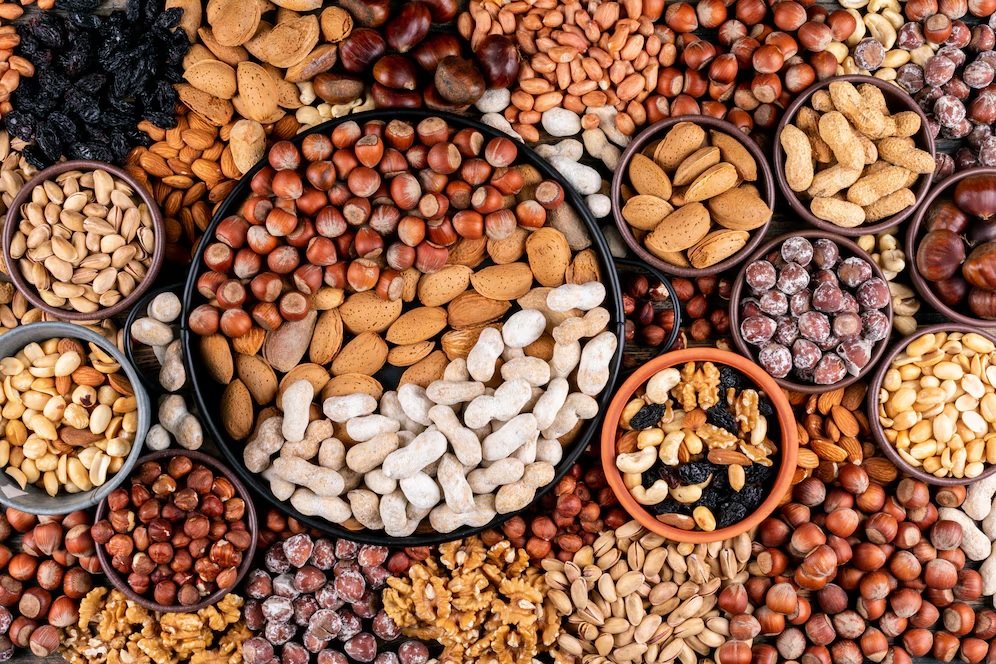
Srinagar. While the majority of the country's almond and walnut production takes place in Jammu & Kashmir, this output is currently insufficient to meet the surging domestic demand and consumption.
Consequently, India is compelled to import these commodities in massive quantities from various nations, including the United States and Chile. Furthermore, with the recent bilateral trade agreement with the U.S., almond imports are now expected to rise even more rapidly.
In reality, almond and walnut growers in Jammu & Kashmir are grappling with a multitude of challenges and hardships.
Due to climate change and shifting weather patterns, trees in the region are blooming and bearing fruit prematurely; moreover, the trees themselves have aged significantly, leading to a steady decline in their productive capacity.
The cultivation methods employed there remain largely archaic, with minimal adoption of new technologies and modern techniques.
Additionally, the heavy influx of imports from abroad is further exacerbating these challenges. As a result, local growers are increasingly prioritizing apple cultivation over almond production.
Almond growers in Pulwama report that intense heat has caused the trees to bloom early; however, this is not a favorable sign, as it could lead to a decline in overall production.
Given the current downward trend in output, it appears that even the remaining almond orchards in the Kashmir Valley could vanish within the next few years. Walnut growers face a similar predicament.
Relative to domestic demand and consumption, the country currently produces only 10 percent of its required almonds and 80–85 percent of its walnuts domestically.