
Efforts to Reduce Paddy Cultivation Area
06-Jul-2026 08:12 PM
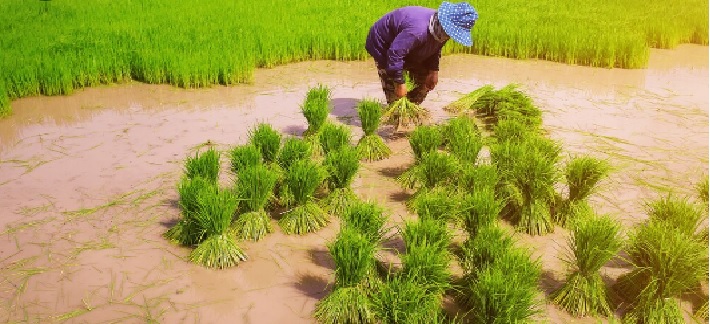
New Delhi. Due to the likelihood of a weak southwest monsoon caused by the impact of El Niño, rainfall across the country is expected to be deficient this season. This could particularly affect the cultivation of paddy, the most important food grain of the Kharif season.
Paddy is a crop that requires significant amounts of water throughout its lifecycle, from transplantation to maturity. Notably, paddy is the only crop cultivated in every state across the country, and India remains the leading exporter of rice.
There are massive stocks of rice in the central pool, and the Food Corporation of India (FCI) is set to receive substantial quantities of rice from the government-owned paddy currently held by millers for custom milling; this will further boost total stock levels.
The central government has already been planning to reduce the area under paddy cultivation. The Union Ministry of Agriculture has expressed a desire to cut the cultivation area by 5 million hectares (50 lakh hectares), yet farmers remain reluctant to abandon the crop.
In states like Punjab and Haryana, farmers were offered incentives—such as financial assistance—if they reduced their paddy acreage and increased the area sown with other crops. However, this scheme did not prove particularly effective.
Now, the Chhattisgarh government has set a target to reduce the paddy cultivation area by 50,000 hectares and announced a financial incentive of ₹15,000 per acre for farmers who switch from paddy to pulse crops. It is worth noting that, like Punjab, Chhattisgarh is a leading contributor of rice to the central pool; other states in this category include Telangana, Odisha, and Haryana.