
Coarse Grain Sowing Trails Last Year, but Farmers Continue to Shift Towards Water-Efficient Crops; Ethanol Demand Supports Maize
06-Jul-2026 07:06 PM
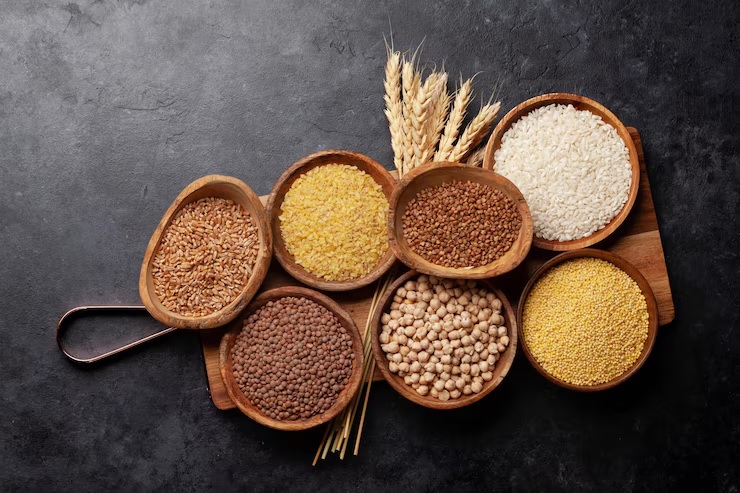
India's kharif coarse grain sowing reached 6.012 million hectares as of July 5, 2026, compared with 7.20 million hectares during the same period last year. The progress also remains well below the five-year average of 18.263 million hectares. The delayed southwest monsoon and below-normal rainfall across most producing regions have slowed sowing operations. However, farmers continue to show increasing interest in coarse grains because they require less water than many other kharif crops.
Maize sowing stood at 3.30 million hectares as of July 5, compared with 3.50 million hectares a year ago, against a five-year average of 8.077 million hectares. Despite the delayed monsoon, maize continues to gain popularity among farmers. Strong demand from the ethanol industry and remunerative prices received in recent years have made maize cultivation increasingly attractive. If rainfall improves over the coming days, maize sowing is expected to accelerate.
Pearl millet (bajra) sowing reached 2.082 million hectares, compared with 3.00 million hectares during the same period last year, and remains far below the five-year average of 7.094 million hectares. Sorghum (jowar) sowing stood at 0.453 million hectares, slightly lower than 0.49 million hectares last year and well below the five-year average of 1.44 million hectares.
Rajasthan has emerged as a bright spot this season. Timely and widespread rainfall has encouraged farmers to expand the sowing of coarse grains, particularly maize and bajra, providing some support to the overall national acreage.
With increasing climate variability and uncertain monsoon patterns, water-efficient crops are becoming more important in India's cropping system. As a result, many farmers are gradually shifting from water-intensive crops such as paddy to maize, bajra, and jowar. However, unless major producing states receive adequate rainfall over the next one to two weeks, it will be difficult for coarse grain sowing to catch up with normal levels.