
Very Low Water Stock in South Indian Dams and Reservoirs
22-May-2026 12:23 PM
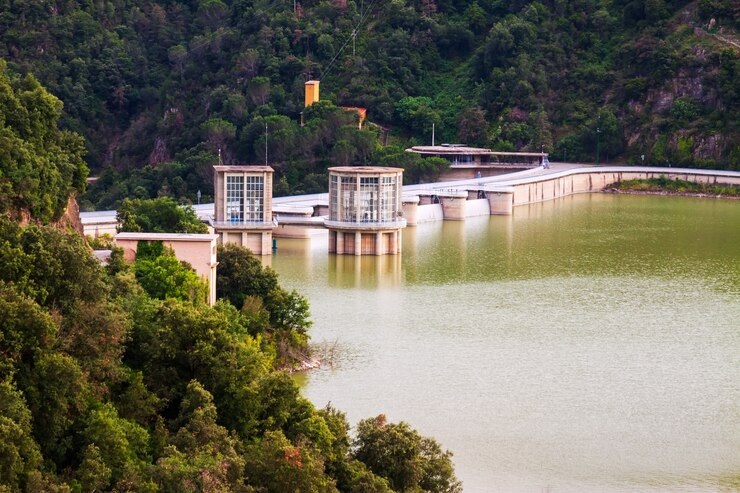
Hyderabad: In the dams and reservoirs of South India, the current water stock stands at merely one-quarter—or 25 percent—of their total storage capacity, a level that has fallen even below that of the previous year. In Karnataka and Telangana—two major states for the production of Kharif crops in the region—water levels have plummeted to less than 20 percent. This situation has significantly heightened the concerns of farmers.
According to the Central Water Commission, the water stock across 166 major dams and reservoirs at the national level has declined to 60.830 Billion Cubic Meters (BCM), representing 33 percent of their total storage capacity of 183.565 BCM. Of these, 105 reservoirs currently hold less than 40 percent of their capacity, while 21 dams have less than 50 percent of their water stock remaining.
Data from the Meteorological Department reveals that between March 1 and May 20, 2026, 29 percent of the country's 725 districts received either no rainfall or only negligible amounts; prior to this period—during January and February 2026—at least 70 percent of the country's districts had already experienced a severe rainfall deficit.
In South India, the 47 major dams currently hold a water stock of 13.386 BCM, which constitutes 24.21 percent of their total storage capacity of 55.288 BCM. Specifically, Karnataka and Telangana each retain a water stock of 19 percent, while Kerala has 22 percent remaining.