Home News
24-Oct-2026 10:44 AM
The El Niño weather phenomenon, originating in the equatorial Pacific Ocean, continues to strengthen, raising concerns that it could weaken the performance of India’s agricultural sector. Its impact is already being felt on Kharif crops, and there is a looming fear that it will cast a dark shadow over the upcoming Rabi season.
Although the Northeast monsoon is currently active, its reach is largely confined to southern and eastern India. Other parts of the country typically receive very little rainfall during this period; however, the current deficit is particularly concerning given that the preceding summer monsoon was also unsatisfactory.
Major agricultural states like Maharashtra and Karnataka are grappling with severe drought, while many other regions have experienced erratic rainfall distribution. Data from the India Meteorological Department (IMD) indicates that between October 1 and 21, approximately 75 percent of the country’s 734 districts received either no rainfall or negligible amounts—a period that is otherwise crucial for establishing a strong foundation for Rabi sowing.
Nationally, water storage in major dams and reservoirs stands at only 67 percent of capacity, a significant decline compared to the previous year. Between June 4 and October 15, the country recorded 15 percent less rainfall than the long-period average.
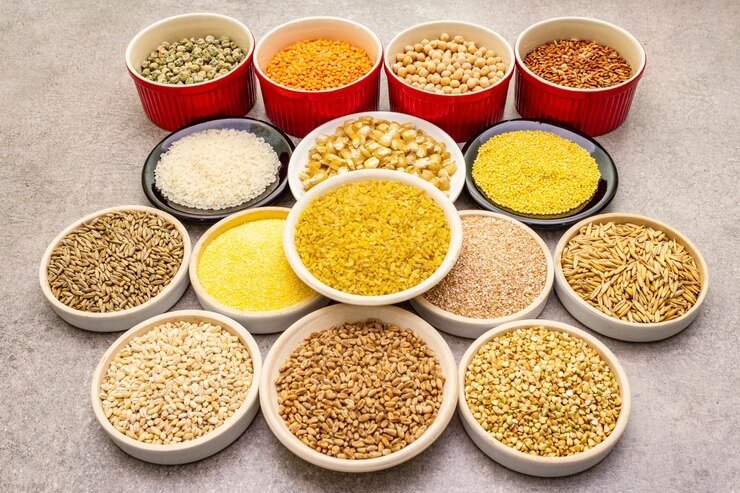
While sowing for the Rabi season has commenced, the current slow pace is a cause for concern. Although the pace is expected to pick up in the coming weeks, any disruption to rainfall caused by El Niño could adversely affect crop development. The Rabi season is a critical period for the production of crops such as wheat, barley, chickpeas (gram), lentils, peas, and mustard.
While the government maintains a substantial stock of wheat, its reserves of pulses and oilseeds are critically low. Consequently, large-scale imports of pulses and edible oils are likely to continue in the coming months. The market may continue to see a trend of strength and upward momentum.