
Soybean Harvest Concludes in Brazil – Awaiting Production Figures
06-May-2026 08:11 PM
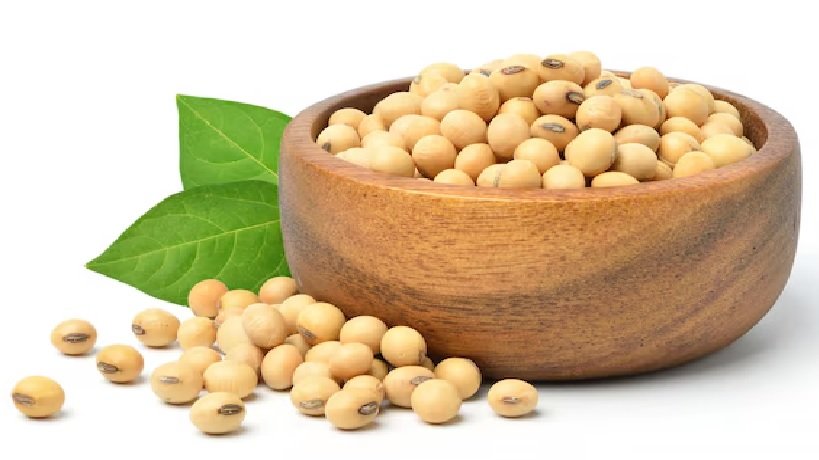
Sorriso. In the Latin American nation of Brazil, the harvesting of the soybean crop has largely concluded, and the market now awaits the release of official government and trade estimates regarding production figures. Driven by an expansion in the sown area and improved yield rates resulting from favorable weather conditions, expectations for a record soybean harvest in Brazil have been high; estimates had projected that production figures would surge to an all-time high of 179 million tonnes.
Situated on the South American continent, Brazil stands as the world's leading producer and exporter of soybeans. Harvesting operations for this vital oilseed crop commenced as early as the second week of January. In the northern and central regions of the country, the harvest concludes earlier, whereas in the southern and northeastern states, the crop is harvested last due to later planting schedules.
Located in the central region, Mato Grosso is Brazil's leading soybean-producing state; it is followed by Paraná in the south-central region, with Rio Grande do Sul—situated in the far south—ranking third. While the soybean harvest had already concluded in Mato Grosso and Paraná, the process has now been completed in Rio Grande do Sul as well. Farmers in other states have also finished harvesting their crops.
It is noteworthy that a "soybean-free period" is set to go into effect in Brazil on May 15th, remaining in force until approximately September 14th. During this interval, not a single living soybean plant is permitted to remain anywhere within the country. The sowing of the new crop typically commences on September 15th.
Given the record-breaking production volume, indications suggest that Brazil's soybean exports are also poised to reach a new all-time high this year. China continues to serve as the largest market for these exports. Furthermore, a robust increase in soybean crushing activity is anticipated in Brazil this year, which is expected to boost the production of soy oil and soy meal, thereby increasing the available stocks for export.