
Potential Impact of a Weak Monsoon
27-Jun-2026 11:03 AM
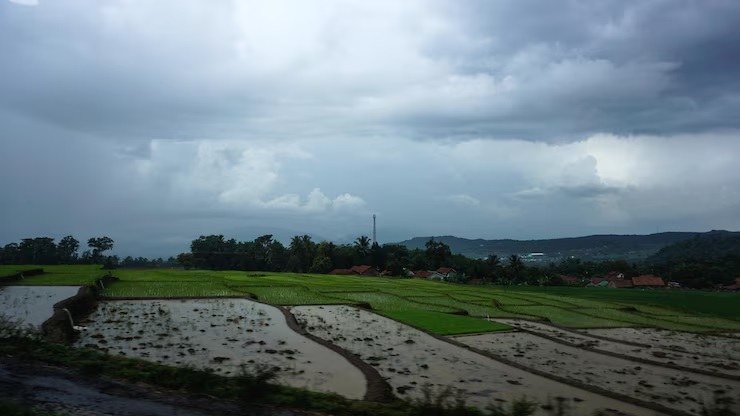
Clear indications have emerged that the Southwest Monsoon will be significantly weak this year due to the El Niño effect, leading to uncertain and erratic rainfall across many parts of the country. The month of June was largely dry; by June 25, national rainfall was 42 percent below the long-period average.
While monsoon activity and momentum are expected to pick up briefly, a subsequent lull is anticipated. The Meteorological Department has projected rainfall at 90 percent of the Long Period Average (LPA) for the June-September period, whereas a private weather agency has forecast only 84.95 percent.
A weak monsoon is a cause for concern regarding the progress of India's agricultural sector and the national economy; it threatens not only the output of various agricultural, plantation, and horticultural crops—thereby reducing farmers' income—but also poses risks to agro-based industries and Fast-Moving Consumer Goods (FMCG) companies.
Ample stocks of rice and wheat exist in government warehouses, and pulse stocks are also considered satisfactory to some extent; thus, there is no immediate threat to national food security. However, a crisis could arise if the production of other Kharif crops—such as pulses, oilseeds, sugarcane, and cotton—is adversely affected.
Major producing and exporting nations are closely monitoring India; should there be signs of rising import demand, these exporters would likely raise the prices of their products. The sowing of Kharif crops is currently lagging behind last year's figures, a matter of serious concern.