Home News
30-Oct-2026 06:47 PM
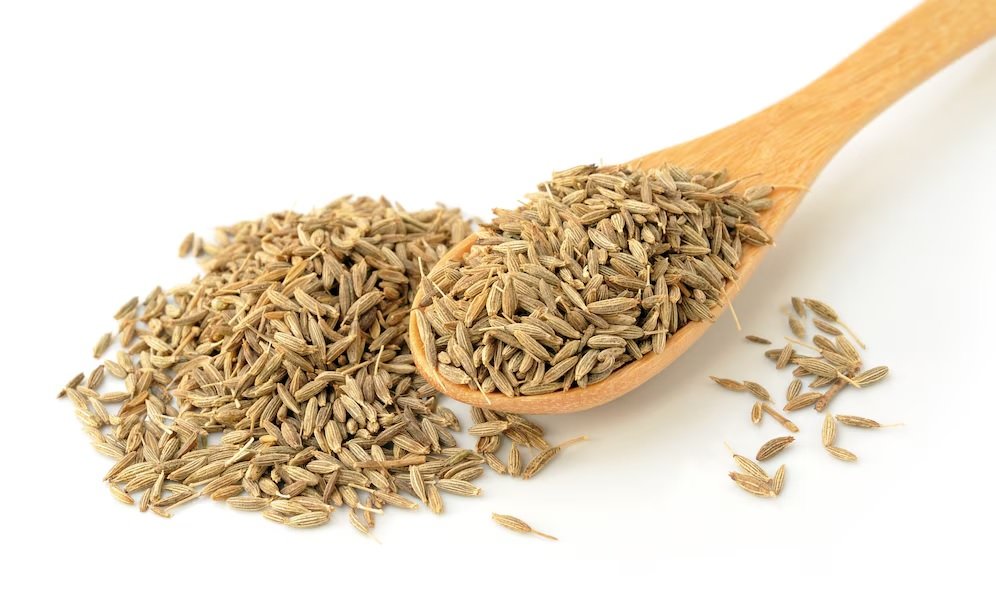
New Delhi. Cumin prices witnessed mixed trading trends this week. After an initial decline, prices strengthened towards the end of the week. According to sources, while the recent surge in prices may lead to an increase in cumin sowing compared to earlier forecasts, the total area sown is still expected to be lower than last year. It is worth noting that initial estimates suggested a 35–40% decline in cumin sowing across major producing regions; however, following a recent price increase of ₹20–25, it is now anticipated that the decline will be in the range of 25–30%. Sowing has already commenced in Gujarat—a key producing state—while it is set to begin next month in Rajasthan. Sowing activities are expected to be affected this year due to water shortages. According to available data, cumin was sown across 11.18 lakh hectares last year, while in 2025, the area sown stood at 11.71 lakh hectares.
No Significant Downturn Expected
Market experts suggest that following a sustained rally, profit-booking is likely, which could lead to a short-term dip in prices—though not a substantial one. Traders anticipate an increase in export demand for Indian cumin in the coming days, further bolstered by procurement for the month of Ramadan. Additionally, weather conditions following the sowing phase will play a crucial role in determining future price movements. Currently, cumin prices in the major producing regions are hovering between ₹225 and ₹255 per kilogram.
Stock Levels
According to industry sources, cumin exports have declined during the current season, largely due to weak demand from China. Consequently, there are sufficient stock levels available in the producing regions. According to available information, the current stock of cumin in Gujarat is estimated at 1.8–2.0 million (18–20 lakh) bags, while reports indicate a stock of 2.8–3.0 million (28–30 lakh) bags in Rajasthan—a quantity sufficient to last until the arrival of the new harvest.
Decline in Production
Well-informed sources suggest that cumin production is projected to decline in 2027 as well. For the current season, national cumin production was estimated at 9.3–9.4 million (93–94 lakh) bags, whereas production in 2025 was estimated at 9.7–9.8 million (97–98 lakh) bags. Sources believe that, in addition to a reduction in the area under cultivation, the impact of El Niño will also affect the crop, thereby negatively impacting overall production.
Market Arrivals
Due to the recent surge in prices, farmers have increased their sales, leading to higher market arrivals. In the major trading hub of Unjha, arrivals have risen to 12,000–13,000 bags. In Rajkot, arrivals are currently between 1,200 and 1,300 bags, while in Rajasthan’s Merta market, they range from 2,000 to 2,500 bags. Arrivals in the Nagaur and Jodhpur markets stand at 800–1,000 bags and 700–800 bags, respectively.
Decline in Exports
Due to a slowdown in exports to China, the volume of Indian cumin exports in the first quarter of the current financial year (2026–27) has fallen by 24 percent, while export earnings have seen a decline of 26 percent. According to data released by the Spices Board, cumin exports for the April–June 2026 period totaled 47,916 tonnes, generating export earnings of ₹1,118.11 crore. In April–June 2025, exports amounted to 62,886 tonnes, generating earnings of ₹1,514.61 crore. During the year 2025–26 (April–March), total cumin exports reached 196,800 tonnes, with earnings of ₹4,611.15 crore.