Home News
30-Oct-2026 07:39 PM
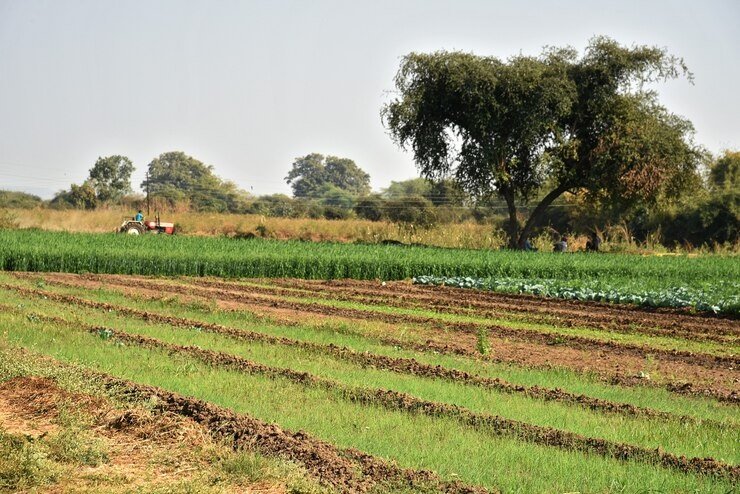
New Delhi. Several states across the country are experiencing heavy rainfall, a trend likely to continue through next week, which could significantly alleviate the crisis of drought.
A drop in temperature will slow the rate at which soil moisture evaporates, thereby ensuring favorable conditions for the growth of Rabi crops. The heavy rains are also expected to raise water levels in dams and reservoirs, ensuring the timely availability of water for crop irrigation.
Although the threat posed by the El Niño weather pattern persists—and may even intensify—current rainfall and temperature conditions remain within the normal range.
The Meteorological Department has indicated that the Northeast Monsoon, much like the preceding Southwest Monsoon, may be somewhat weak; however, this impact is unlikely to be felt until after mid-November.
During the June–September period, many states experienced deficient monsoon rainfall, leading to a lack of soil moisture that hindered farmers in accelerating the sowing of Rabi crops. While market prices for commodities like mustard and chickpeas are well above the Minimum Support Price (MSP)—and wheat prices are also strengthening—farmers, despite their keen interest in expanding the area under cultivation, had previously lacked the support of favorable weather.
With conditions now improved, a significant surge in farming activity is expected. Adequate stocks of fertilizers and seeds are available, and the recent rainfall has provided a much-needed boost. States such as Maharashtra, Gujarat, Karnataka, Rajasthan, Madhya Pradesh, Uttar Pradesh, and Telangana—which were in dire need of substantial rainfall—are now receiving, or are set to receive, the necessary precipitation.