
Indian Exporters Concerned Over Intense Conflict in West Asia
10-Jul-2026 01:08 PM
Mumbai. An intense conflict has once again erupted between Iran and the United States in West Asia. On one hand, the US is bombing various Iranian cities and installations; on the other, Iran is targeting US military bases and other facilities located in Gulf nations such as Kuwait, Bahrain, Jordan, and Qatar. There is a strong possibility that Israel will soon join the conflict, which would further escalate its severity and potentially prolong its duration.
The very cause of the conflict is a source of concern for India. Iran had warned that any vessel traversing the Strait of Hormuz must follow a specific route designated by Iran, or risk being attacked. When three tankers ignored this warning and attempted to pass via a US-designated route, Iran attacked and destroyed them. This enraged the US, prompting it to launch an attack on Iran. In retaliation, Iran began striking US military bases using drones and missiles, thereby igniting an intense conflict between the two nations.
The Strait of Hormuz waterway remains the focal point of the dispute, even though it is a crucial route for India's imports and exports. The US military is targeting ports—including Iran's Chabahar—that are vital for India's large-scale trade operations. Chabahar Port is particularly significant because Indian goods arrive there first before being transshipped to Afghanistan and various other countries.
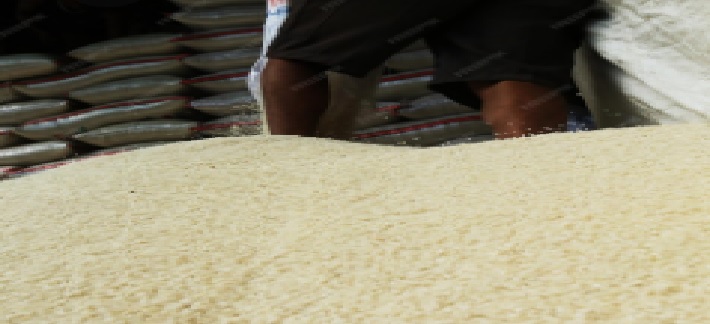
India exports large quantities of Basmati rice, tea, and spices to West Asia, the Middle East, and the Gulf region, while importing vast amounts of petroleum, natural gas, chemical fertilizers, and dry fruits from these areas. Imports of dry fruits from Afghanistan into India frequently transit through Iran. Concerns among Indian exporters are mounting due to the closure of the Strait of Hormuz and the Chabahar Port.