
High food grain stocks effective in curbing inflation rise
23-Jul-2026 04:02 PM
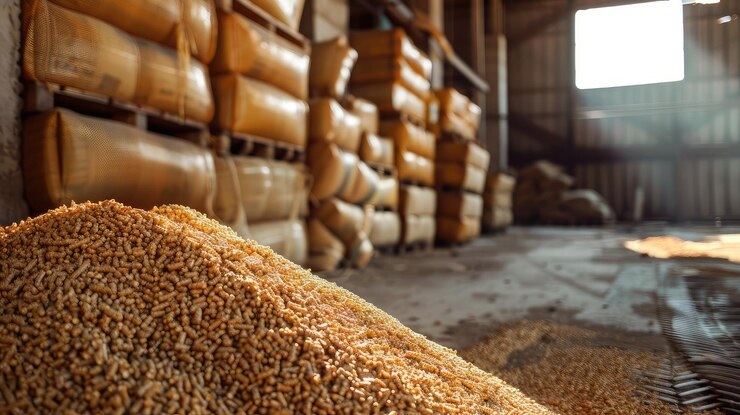
New Delhi: Although the sowing of Kharif crops has been hampered this season—with acreage lagging significantly behind last year due to erratic, uneven, and uncertain rainfall caused by the El Niño weather cycle, raising fears of reduced production and rising food inflation—the Reserve Bank of India believes that the government's vast stocks of rice, wheat, and pulses will prevent a sharp spike in inflation. These stocks can be effectively utilized under market intervention schemes.
The Food Corporation of India (FCI) holds massive stocks of food grains, which will help curb price surges. However, the government may face challenges in controlling price increases for other food items—such as edible oils, sugar, spices, and vegetables—and may need to take timely policy decisions to address this.
According to the Meteorological Department, the country received a total of 276.8 mm of rainfall between June 1 and July 21 this year, which is 21 percent below the normal average. All four meteorological divisions of the country have recorded below-normal rainfall, leading to a decline in the acreage of crops such as paddy, pulses, oilseeds, coarse cereals, and cotton. The Meteorological Department has forecast rainfall at 90 percent of the long-period average for the four-month Southwest Monsoon season (June–September). This has heightened concerns regarding a rise in food inflation.
Prices of food products have already started to rise. Retail food inflation climbed from 4.78 percent in May to 5.32 percent in June, pushing the headline inflation rate—based on the Consumer Price Index (CPI)—to 4.38 percent in June. This marks not only the highest level in the last 18 months but also exceeds the Reserve Bank's medium-term target of 4 percent.