
Coarse Cereal Sowing Lags Behind Last Year by 4.25 Lakh Hectares
29-Jun-2026 08:00 PM
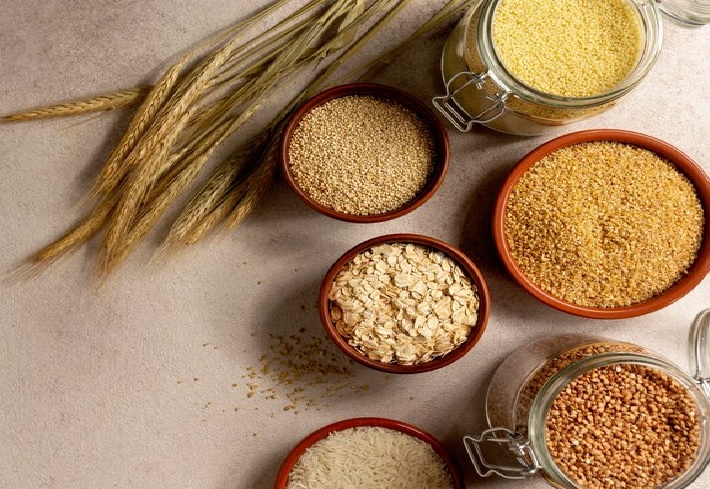
New Delhi. Typically, the sowing area for coarse cereals is expected to increase when monsoon rainfall is deficient, as these crops require relatively less water for irrigation and are more resilient to dry weather conditions.
However, the situation appears different this time. The sowing area for both major coarse cereals—maize and pearl millet (bajra)—is trailing significantly behind last year's figures. It would not be surprising if farmers' interest in cultivating these crops declines. The government had previously provided special incentives to boost maize production to ensure adequate stocks for ethanol manufacturing; however, once production improved, the government shifted its focus away.
This season, the Minimum Support Price (MSP) for maize was raised by only ₹10 per quintal, and with wholesale market prices remaining low, farmers are not realizing attractive returns. Neither the central government nor ethanol distilleries are willing to procure maize at the MSP. Under these circumstances, how can farmers be expected to increase the area under maize cultivation? The market for pearl millet is also sluggish.
According to official data, compared to the previous year, the area under maize during the current Kharif season has shrunk from 18.61 lakh hectares to 15.71 lakh hectares, while the sowing area for pearl millet has fallen from 13.06 lakh hectares to 11.34 lakh hectares.
Although the area under sorghum (jowar) improved from 2.70 lakh hectares to 3.38 lakh hectares, the acreage for finger millet (ragi) slipped from 73,000 hectares to 66,000 hectares, the area for small millets dropped from 97,000 hectares to 75,000 hectares, and the total cultivation area for coarse cereals declined from 36.07 lakh hectares to 31.84 lakh hectares.