
Unusual March Heat May Threaten Rabi Crops
27-Feb-2026 12:53 PM
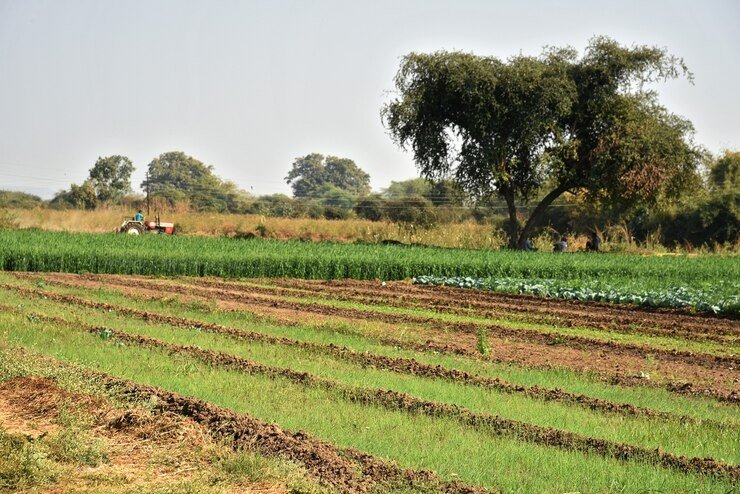
New Delhi: The month of March is expected to be unusually hot and dry this year, with temperatures likely to remain above normal in major wheat- and mustard-producing states. This may reduce the average yields of both crops. Intense heat could also adversely affect other rabi crops.
India is the second-largest producer of wheat in the world and generally does not require imports. However, the situation is different in the case of oilseeds and edible oils, as India remains the largest importer of edible oils. If higher temperatures affect mustard production, efforts to reduce dependence on edible oil imports may not succeed.
March is considered a critical period for rabi crops, as grain formation and maturity take place during this time. Excessive heat can disrupt grain development and may lead to premature ripening. This can negatively affect both grain quality and yield, ultimately reducing total production.
According to an expert from the India Meteorological Department (IMD), maximum and minimum temperatures in northern and northwestern states are likely to remain significantly above normal during March 2026, although the official IMD forecast is expected soon.
The expert noted that during March, maximum temperatures in Punjab, Haryana, Rajasthan, Uttar Pradesh, and parts of Madhya Pradesh could be up to 7°C above normal, which may increase the risk to rabi crops.