
Severe Threat to Kharif Crops in Andhra Pradesh Due to Significant Rainfall Deficit
28-Aug-2026 10:44 AM
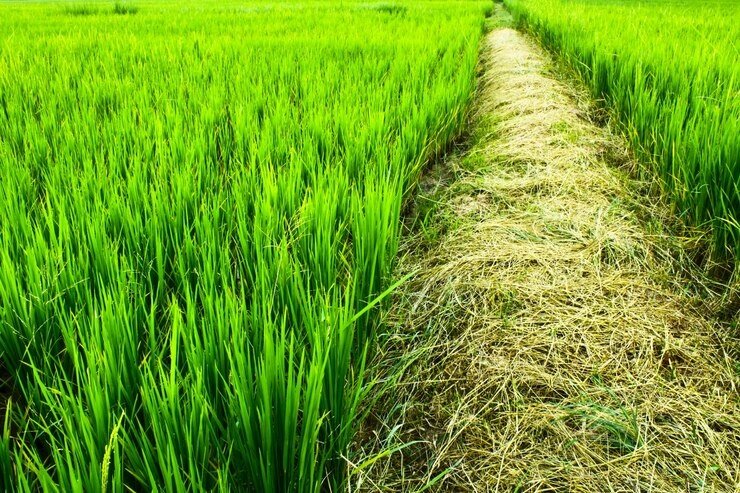
Vijayawada: A severe threat to Kharif crops has emerged in Andhra Pradesh—a key agricultural state in South India—due to a significant deficit in monsoon rainfall. Driven by the weakening of the monsoon under the influence of the El Niño weather cycle, the rainfall deficit in the state has risen to 51 percent. The state government has announced a plan to tackle this challenging situation.
Between June 1 and August 25 of this year, Andhra Pradesh received only 193 mm of rainfall, which is substantially lower than the Long Period Average (LPA) of 393.7 mm. This has not only reduced the area under Kharif cultivation but is also impacting crop progress.
According to official data, the total area under Kharif cultivation in Andhra Pradesh has shrunk by 21 percent—dropping from 25.63 lakh hectares last year to 20.35 lakh hectares this year. Specifically, the area under paddy cultivation declined from 11.79 lakh hectares to 10.37 lakh hectares. While the sowing area for coarse cereals and oilseeds has also decreased, the acreage for pulses and cotton has seen a slight increase.
Drought-like conditions are being observed in several districts of the state due to the severe lack of monsoon rainfall. A critical shortage of soil moisture is hindering the proper growth of Kharif crops. In response to the rainfall deficit, the state government had set a target to cultivate alternative crops on 1.29 lakh hectares of land traditionally used for paddy; however, only 36,000 hectares—or 28 percent of the target—could be covered.