
Massive Increase in Wheat Stocks Driven by Robust Government Procurement
16-May-2026 01:52 PM
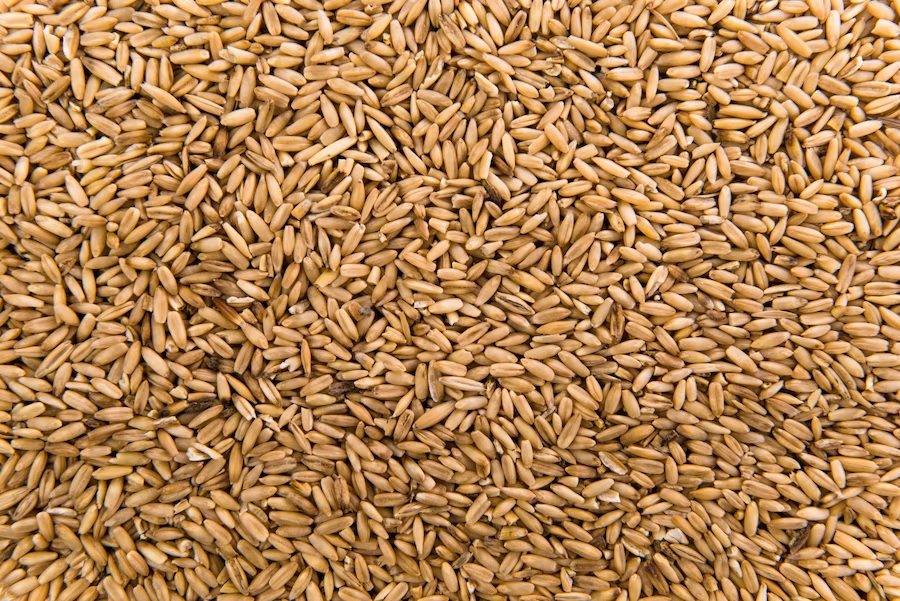
New Delhi. A remarkable surge is being observed in wheat procurement for the Central Pool this season, pushing stock levels significantly above the minimum required buffer norms. However, a larger proportion of the procured wheat this time consists of lower-quality grains—specifically those that are discolored, lacking luster, or characterized by broken and flattened kernels.
During the entire Rabi Marketing Season last year (April–June 2025), government procurement of wheat stood at approximately 302 lakh tonnes; in contrast, total procurement for the current year has already exceeded 306 lakh tonnes as of May 13, 2026. The procurement process remains ongoing in several key states.
Compared to last year, government procurement of wheat for the Central Pool has witnessed substantial growth in Punjab, Haryana, Uttar Pradesh, Rajasthan, and Bihar; furthermore, the procurement volume in Madhya Pradesh has also reached levels very close to those recorded last year.
This season, the government has set a procurement target of 345 lakh tonnes, 89 percent of which has already been achieved. By May 13 of last year, 292.60 lakh tonnes of wheat had been procured, whereas this year, procurement has exceeded that figure by 13.52 lakh tonnes.
The increase in government wheat procurement this season can be attributed primarily to two factors. First, adverse weather conditions in Punjab, Haryana, Uttar Pradesh, and Rajasthan compromised the quality of the wheat crop; consequently, farmers found it more profitable to sell their produce at government procurement centers—where they were guaranteed the Minimum Support Price (MSP) of ₹2,585 per quintal—rather than holding onto their stocks.
Second, millers, processors, traders, and stockists are currently refraining from aggressive wheat procurement from farmers due to apprehensions regarding potential future government restrictions. Last year, these private players purchased wheat at high prices, only to be subsequently compelled by the government—through the imposition of stock limits—to offload their stocks at lower rates. Wheat exporters, too, remain relatively inactive at present, although their activity levels may increase in the future.