
Isabgol Arrivals Decline: Prices Firm Up
19-May-2026 07:44 PM
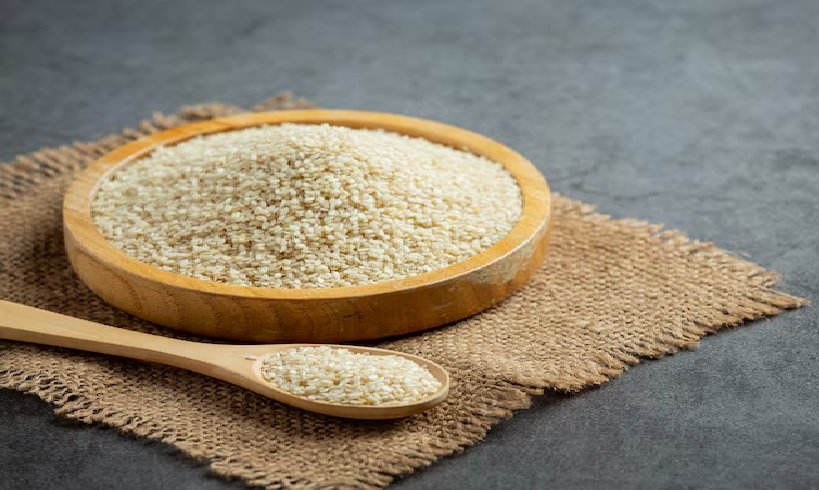
New Delhi: Due to a reduction in the sowing area in the key producing states of Rajasthan and Gujarat during the current season, Isabgol production in the country is expected to remain low for the second consecutive year. Consequently, owing to the decline in yield, the arrival of Isabgol in agricultural markets (mandis) has begun to decrease.
It is noteworthy that Rajasthan accounts for 70–75 percent of the total Isabgol produced in the country, while Gujarat contributes 20–25 percent. Although Rajasthan records higher production volume, Gujarat dominates in both exports and domestic trade due to the presence of a larger number of processing units within the state.
According to available information, Isabgol sowing in Gujarat covered an area of 17,284 hectares during the current season, whereas the sowing area stood at 27,488 hectares last year. Furthermore, in Rajasthan—specifically in the Nagaur, Nokha, and Merta regions—sowing activity was limited to just 50–55 percent of the levels recorded in the previous year.
Production
In addition to the reduction in the sowing area, unseasonal rainfall in March also caused damage to the crop in Rajasthan. As a result, trade estimates project that the country's Isabgol production for the current year will range between 20 and 22 lakh bags (with each bag weighing 70–75 kg). This stands in contrast to the production figures estimated for 2025 (28–30 lakh bags) and 2024 (38–40 lakh bags).
Arrivals
Reports indicate that the arrival of Isabgol in the mandis has started to decline, a trend attributed to both the reduced production volume and the lower prices being realized by growers. In Unjha—Gujarat's primary Isabgol market—daily arrivals have dropped to a range of 8,000 to 9,000 bags, while in Rajasthan's Merta and Nagaur markets, daily arrivals have fallen to 3,000 to 4,000 bags.
Prices
Currently, Isabgol prices at the mandis located in the key producing centers are trading in the range of ₹100 to ₹140 per kilogram, depending on the quality of the produce. There is no longer any likelihood of a decline in current prices, as arrivals at markets in key production centers have begun to decrease; concurrently, export trade is currently experiencing a slowdown. However, exports are expected to rise in the coming days. Consequently, the prices of Isabgol are likely to increase in the near future.
Exports
During the first eleven months of the current financial year (2025-26), Isabgol exports remained lower compared to the previous year. According to available data, Isabgol exports totaled 54,993 tonnes during the April–February 2026 period, whereas exports stood at 58,377.40 tonnes during the corresponding period (April–February) of the previous year (2025).