
Increase in wheat production estimates in Argentina and Western Australia
27-Dec-2024 11:28 AM
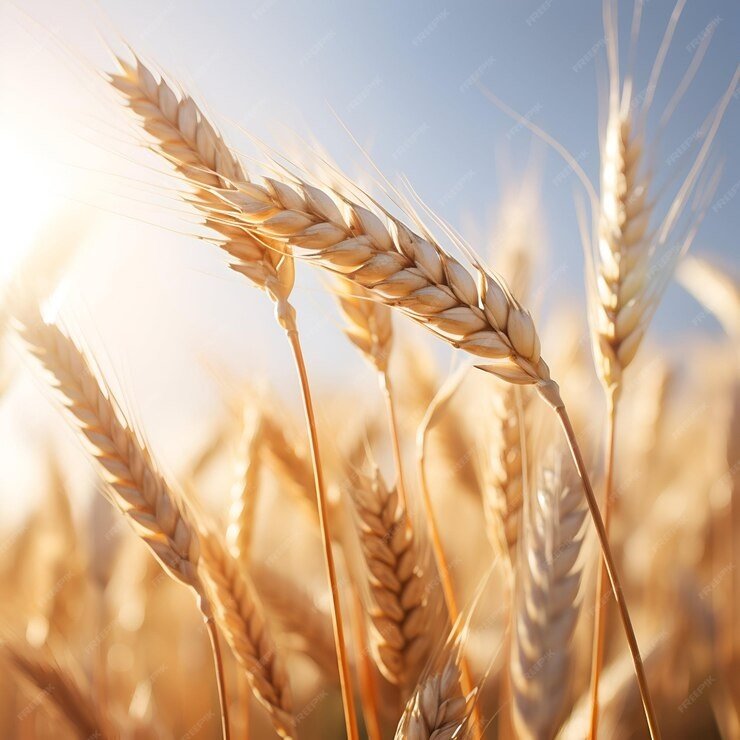
The wheat production estimates for Argentina and Western Australia have been revised upward due to favorable conditions in these regions.
Argentina: The Rosario Grain Exchange has raised the wheat production estimate for the 2024-25 season by 500,000 tonnes to 19.3 million tonnes. This makes it the third-largest wheat production in the last 15 years for Argentina. The country has already harvested about 60% of its wheat crop. However, the production in 2021 and 2019 was higher than this estimate.
Western Australia: Wheat production estimates for Western Australia have also been revised upwards by 500,000 tonnes to 10.8 million tonnes. The increase is attributed to better-than-expected yields. However, recent rains in the eastern part of Australia have delayed harvesting and may affect the quality of wheat. As a result, milling-quality wheat production may decrease, while feed-quality wheat production could rise.
Global Wheat Production: In the northern hemisphere, wheat harvesting is complete in countries like Russia, Ukraine, the US, Canada, France, and Germany. The US Department of Agriculture has revised the wheat surplus estimates downward, indicating potentially stronger wheat exports. However, Russian wheat exports are expected to decline from 4.1 million tonnes in November to 3.3-3.5 million tonnes in December.
India: Wheat sowing in India is ahead by 7-8 lakh hectares compared to last year. Favorable weather and rainfall conditions in major producing states have improved the outlook for wheat production. The government has set a production target of 1150 lakh tonnes. However, intermittent rains in Delhi NCR and northwestern states have slightly slowed down the crop’s progress, as the wheat requires sunlight to grow optimally.
Overall, while wheat production is expected to be strong in these regions, the impact of weather, especially in Australia and India, and changes in global export markets could influence the overall outlook for wheat supplies.