
Weak Monsoon Feared to Impact Kharif Pulses Production
29-Apr-2026 03:46 PM
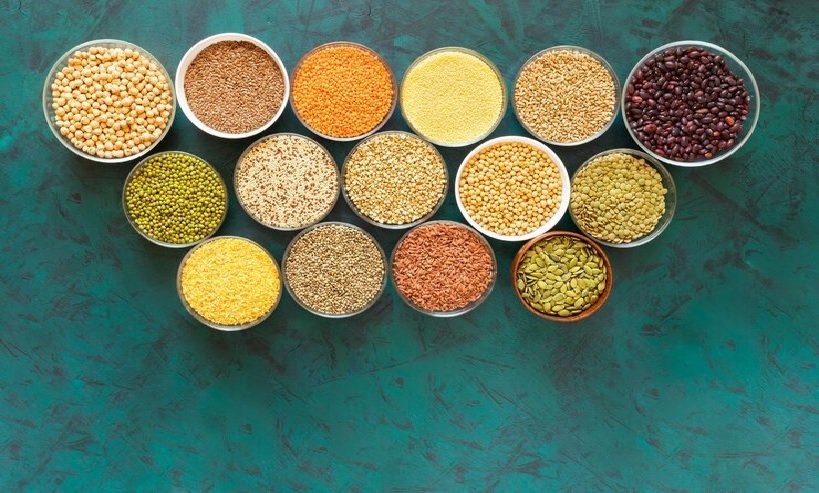
New Delhi. During the current year, Kharif-season pulse crops may now have to contend with the dual threat of the El Niño weather cycle and a weak monsoon, raising apprehensions that sowing, growth progress, and overall yield could be adversely affected. Should there be a decline in production, the country may witness an increase in the imports of pulses such as Tur (Pigeon Pea), Urad (Black Gram), and Masoor (Red Lentil). Within the domestic market, the situation regarding the supply and availability of pulses could become complex, potentially leading to a rise in prices.
India stands as the central hub of the global pulses ecosystem. On one hand, it is the world's largest producer and consumer of pulses; on the other, it is also the largest importer of these crops. Production figures for the Kharif 2025 and Rabi 2026 seasons were not encouraging, and now, a looming threat appears to be growing over the Kharif 2026 crops.
While it is true that pulse imports from abroad declined during the fiscal year 2025-26 compared to 2024-25, this reduction is attributed not to an increase in domestic production, but rather to the existence of substantial carry-over stocks from previously imported pulses. As those stocks have now been significantly depleted, a potential shortfall in the upcoming harvest could naturally lead to a resurgence in pulse imports.
The attention of most pulse-exporting nations remains firmly focused on India. Over the past four years, the total area dedicated to pulse cultivation within the country has been on a downward trend. In India, the Kharif season primarily yields Tur,
Urad, and Moong (Green Gram), while the Rabi season accounts for the production of Chana (Chickpea), Masoor, and Matar (Peas). This year, the serious threat posed by El Niño could emerge, potentially leading to a further contraction in both the sowing area and overall production of pulses. A shortage of fertilizers may also be experienced.