
Sharp Decline in Kharif Production Unlikely Even with Low Rainfall
29-Apr-2026 05:18 PM
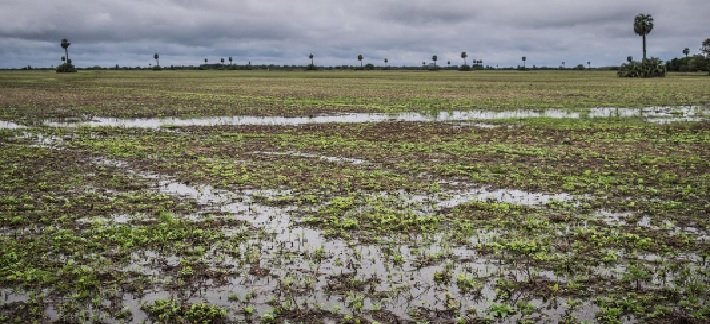
New Delhi: Although the Meteorological Department has forecast below-average rainfall during this year's monsoon season—taking into account the potential impact of the El Niño weather cycle—the government believes that, thanks to existing superior irrigation infrastructure, a weak monsoon will have only a limited impact on Kharif crops. Consequently, a drastic decline in the production of various crops during the Kharif season is considered unlikely.
The government asserts that, in recent years, the extent of irrigated land within the country has expanded significantly, ensuring that adequate water will be available for crop irrigation in these areas. However, agricultural experts have cautioned that crop yields and farmers' incomes in non-irrigated or rain-dependent regions could witness a sharp decline.
According to a rating agency, the area of irrigated land in the country has risen to 56 percent, up from just 49 percent in 2014–15. At that time, the country was also grappling with the impact of consecutive droughts; such a situation no longer prevails today. New crop varieties are being developed that not only offer higher yields but also possess greater resilience against adverse weather conditions.
According to a farmers' organization, at least 15 percent of the total production area during the Kharif season remains entirely dependent on rainfall. This year, monsoon rainfall is expected to be normal or above-normal in the northeastern, northwestern, and southern peninsular regions of the country, thereby minimizing the risk to crops—particularly paddy.
However, a weak monsoon could heighten the risks for pulse, oilseed, and cotton crops. It will be crucial to observe the pattern of rainfall distribution during the four-month period from June to September; while some regions may experience heavy rainfall, others could face a severe drought crisis.