Home News
29-Oct-2026 06:14 PM
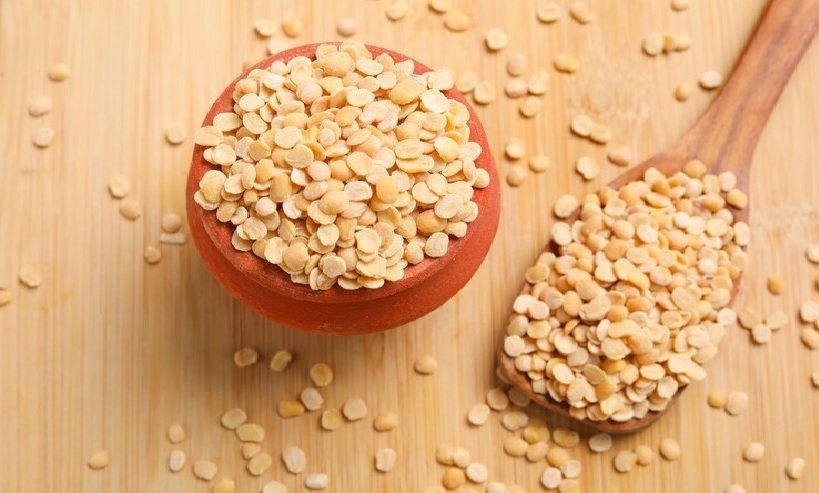
Tur prices in the domestic market have trended downward due to weak demand from pulse mills. In Chennai, prices for 'Lemon' variety Tur have softened, while prices for the Burmese variety have remained stable.
Prices for Tur imported from African countries have also held steady at the ports. Given the high price levels, pulse mills are purchasing only what is strictly necessary.
Meanwhile, importers are limiting their sales, as they hold sufficient stocks acquired at higher costs. Consequently, any significant upward movement in the market is likely to be constrained for the time being.
Tur production is expected to decline during the current Kharif season. Existing stocks of domestic Tur in the primary agricultural markets (mandis) are limited, with the arrival of the new harvest anticipated to begin in December.
Sustained demand for Tur dal during the festive season could provide some market support. On the other hand, arrivals of imported Tur are expected to increase in November.
According to available data, Tur imports rose by 44% to approximately 625,000 tonnes between January and August 2026. Moving forward, the direction of Tur prices will depend on demand from pulse mills, the volume of imports, the domestic harvest, and remaining stock levels. While weak demand may exert pressure in the near term, limited domestic stocks and festive-season demand could provide support to the market.