
Restrictions Likely on Use of Sugarcane Juice and Molasses for Ethanol Production
10-Sep-2026 03:20 PM
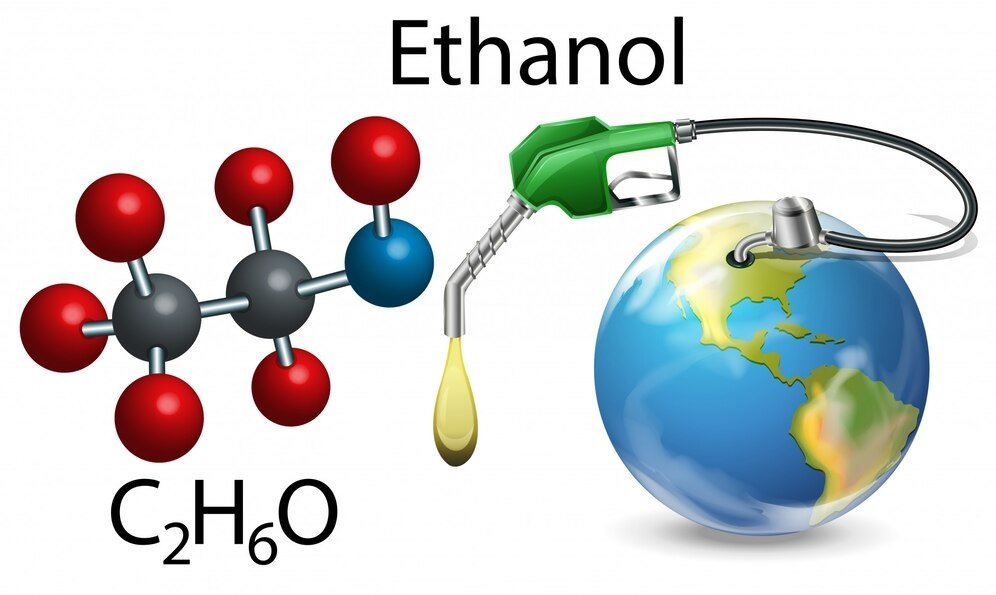
New Delhi: Given the complexities in the sugar balance sheet and the impact of a weak monsoon on sugarcane production, it appears the Central Government may decide to restrict the use of sugarcane juice and 'B-heavy' molasses for ethanol production during the 2026-27 marketing season. Retail sugar prices remain high, causing continued hardship for ordinary consumers. It is estimated that the domestic industry will be left with a stock of only 3.5 million tonnes (35 lakh tonnes) of sugar by September 30. If a 'free-sale quota' of 2.5 million tonnes is released for October, what will remain for September?
According to informed sources, the government is inclined to halt the use of sugarcane juice and heavy molasses for ethanol production and may soon issue an order to this effect. The industry anticipates this move as well. While distilleries might face a setback due to the government's decision, they will have to absorb the impact given the gravity of the situation.
However, the likelihood of a ban on using 'C-heavy' molasses for ethanol production is very low or negligible. The government had issued a similar order in 2023, which helped avert a domestic sugar shortage crisis. The Vice President of ISMA (Indian Sugar Mills Association) states that the sugar industry is prepared to use C-heavy molasses, which contains negligible sucrose content and can be easily utilized for ethanol production. The government is focused on boosting sugar production because domestic market prices are currently very high.
A significant increase in sugar production is essential during the 2026-27 marketing season (October–September). Worsening conditions this time forced the government to permit the duty-free import of 1 million tonnes of raw sugar; it would want to avoid a recurrence of this situation in the coming season. Along with this, prices can be kept under control only if the supply and availability of sugar increase.