
Gujarat Kharif Acreage Down 3% to 7.85 Million Hectares
24-Aug-2026 07:14 PM
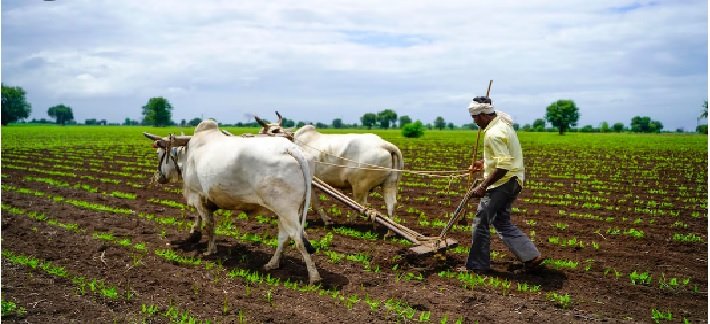
Gujarat farmers have sown kharif crops across 7.85 million hectares as of Monday, down more than 3% from 8.10 million hectares during the same period last year. The state’s normal kharif acreage is 8.53 million hectares, of which more than 92% has been covered so far.
According to the state agriculture department, acreage under all three major crop groups—cereals, pulses and oilseeds—has declined year on year.
Cereal acreage declines
Paddy acreage fell to 880,150 hectares from 891,662 hectares a year ago. Maize acreage declined to 271,406 hectares from 275,967 hectares, while bajra acreage fell to 159,758 hectares from 171,521 hectares. Total cereal acreage declined to 1.33 million hectares from nearly 1.36 million hectares last year.
Tur acreage rises marginally
Tur acreage increased marginally to 271,066 hectares from 270,888 hectares a year ago. Urad acreage rose to 89,531 hectares from 77,416 hectares, while moong acreage declined sharply to 29,605 hectares from 47,470 hectares.
Overall pulses acreage fell to 401,251 hectares from 413,882 hectares.
Oilseed acreage falls
Total oilseed acreage declined to 2.86 million hectares from 3.05 million hectares last year. Groundnut acreage fell to 2.06 million hectares from nearly 2.19 million hectares.
However, soybean acreage increased to 303,240 hectares from 277,213 hectares a year ago.
Cotton acreage rises
Cotton acreage increased to 2.14 million hectares from 2.07 million hectares during the same period last year. Vegetable acreage declined to 240,484 hectares from 249,061 hectares.
Rainfall remains below normal
Gujarat received 515.1 mm of rainfall between June 1 and August 24, compared with the normal 546.7 mm for the period.
The delayed onset of the monsoon and weak presence of the monsoon trough over the state resulted in deficient rainfall during the first month of the season. However, rainfall intensity and coverage improved during the second half of July, with some districts receiving exceptionally heavy rainfall. This helped rapidly reduce the rainfall deficit.
Overall, Gujarat’s kharif acreage has reached more than 92% of the normal area, but remains below last year’s level. The decline in cereals and oilseeds has been partly offset by higher acreage under tur, soybean and cotton.