Home News
21-Sep-2026 01:11 PM
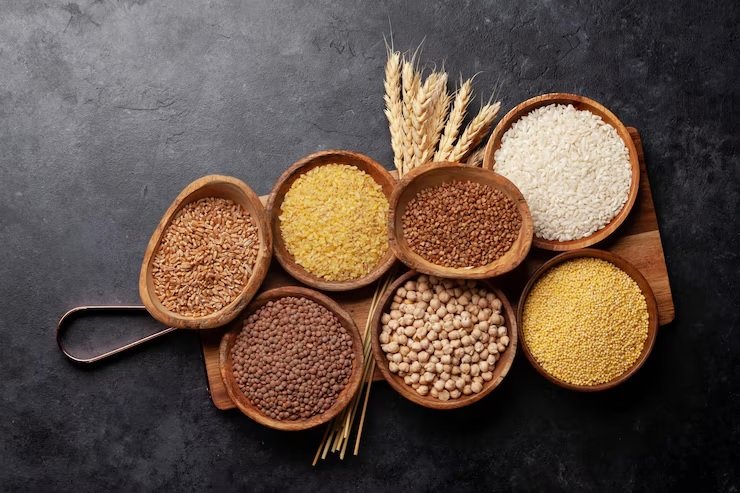
New Delhi. During the current Kharif season, the cultivation area for coarse cereals initially lagged behind the previous year due to a significant shortfall in the acreage of maize and ragi. However, there was subsequently a substantial increase in the sowing areas for jowar (sorghum) and bajra (pearl millet), while ragi acreage also recovered to levels close to the previous year's figures. The gap in maize acreage also narrowed.
According to the latest data from the Union Ministry of Agriculture, the total cultivation area for coarse cereals in the current Kharif season reached 185.79 lakh hectares by September 18, marking an increase of 1.16 lakh hectares over the 184.63 lakh hectares sown during the same period last year.
Compared to the previous year, while ragi acreage fell from 10.12 lakh hectares to 9.81 lakh hectares and maize acreage declined from 94.88 lakh hectares to 92.76 lakh hectares, the cultivation area for jowar rose from 12.61 lakh hectares to 13.79 lakh hectares, and bajra sowing area surged from 62.87 lakh hectares to 64.94 lakh hectares. The sowing coverage for small millets also improved, rising from 4.15 lakh hectares to 4.49 lakh hectares. Sowing operations for coarse cereals have largely concluded.
Thanks to normal rainfall in states like Rajasthan, the jowar, bajra, and maize crops are reported to be in a largely satisfactory condition; however, there are concerns regarding potential crop damage in South India—particularly in Karnataka, Telangana, and Andhra Pradesh—due to deficient rainfall. A significant decline in domestic maize production is projected.