
Advice to Prioritize Fodder Production Alongside Major Crops in Maharashtra
18-Jun-2026 01:30 PM
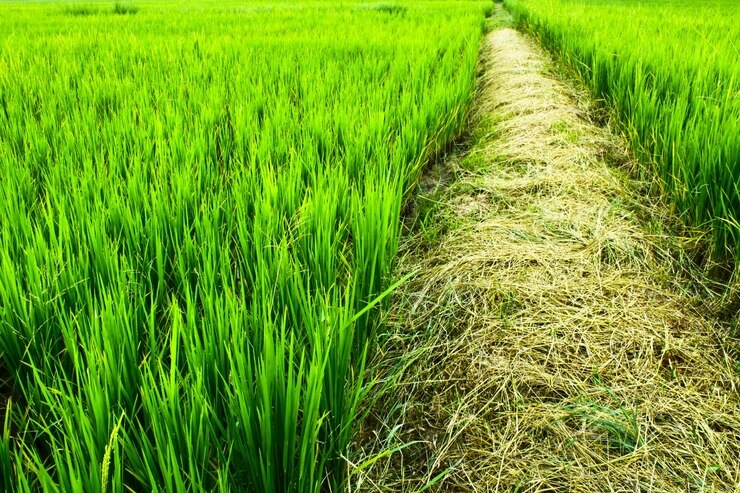
Mumbai: In view of the potential impact of El Niño and the likelihood of a weak monsoon this year, the Maharashtra government has advised farmers to formulate specific plans for cultivating fodder crops alongside major crops such as pulses, oilseeds, and cotton. Agricultural experts warn that deficient rainfall could lead to a shortage of green fodder in the state, thereby increasing hardships for farmers and livestock rearers. To address this challenge, farmers need to place special emphasis on growing fodder crops.
The Animal Husbandry Commissioner has stated that the possibility of a fodder shortage in the near future cannot be ruled out. To prevent adverse effects on livestock and milk production, livestock rearers across Maharashtra are being advised to remain vigilant and focus on fodder production immediately.
They are encouraged to cultivate nutritious and multi-purpose fodder crops to ensure the continued good health of their livestock, including cows and buffaloes. Fodder can also be obtained from major crops such as sorghum (jowar), pearl millet (bajra), and sugarcane. Any surplus fodder produced should be stored safely.
By June 15 this year, monsoon rainfall in Maharashtra was approximately 75 percent below the normal average, and there is little expectation of significant improvement in rainfall conditions going forward.
The monsoon is currently active in the eastern region, resulting in a severe rainfall deficit in western states like Maharashtra and Gujarat. Maharashtra is a major producer of coarse cereals in addition to crops such as tur (pigeon pea), soybean, cotton, and sugarcane.