
Wheat Prices Likely to Strengthen Due to Increased Government Procurement and Export Quotas
29-Apr-2026 08:50 PM
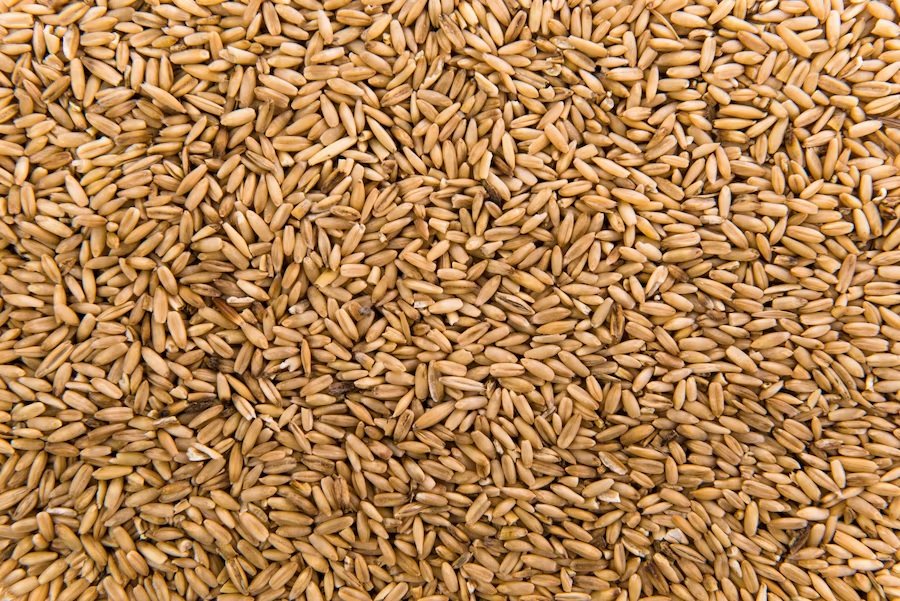
New Delhi: The Central Government has revised its wheat procurement target, increasing it by 4.2 million tonnes—from 30.3 million tonnes to 34.5 million tonnes. Additionally, the wheat export quota has been doubled from 2.5 million tonnes to 5 million tonnes. Industry and trade analysts suggest that the primary objective behind these two decisions is to alleviate pressure on wheat prices and to instill a positive psychological sentiment within the market.
For the 2025-26 Rabi season, the government has raised the Minimum Support Price (MSP) for wheat to ₹2,585 per quintal—an increase of ₹160 over the previous season's MSP of ₹2,425 per quintal. However, current wholesale market prices for wheat are trading below this support level. In reality, flour millers, processors, traders, and stockists are willing to purchase wheat from farmers at higher prices; yet, they remain apprehensive due to the government's frequently shifting policies. The government often imposes stock limits (storage caps) on wheat, compelling stockists to offload their inventory at lower prices. A climate of anxiety prevails once again, as millers and stockists have already incurred significant financial losses in the past.
Currently, the export offer price for Indian wheat is not competitive in the international market; consequently, exporters are failing to secure orders. It is plausible, however, that in the near future, neighboring nations—including Bangladesh, Vietnam, Nepal, and Myanmar—may seek to procure wheat from India.
Furthermore, countries such as South Korea, Taiwan, Indonesia, Malaysia, and Thailand may purchase lower-grade wheat from India for use in animal feed production, provided that the pricing remains attractive compared to offers from other supplier nations.
As far as government procurement is concerned, reaching the stipulated target appears to be a challenging task. Observations indicate that lower-quality grain currently accounts for approximately 30–35 percent of the total wheat procured by the government.
The pace of procurement is very slow in states such as Madhya Pradesh, Rajasthan, and Uttar Pradesh. In Rajasthan, a substantial bonus on wheat procurement has even been announced.