Home News
19-Oct-2026 04:04 PM
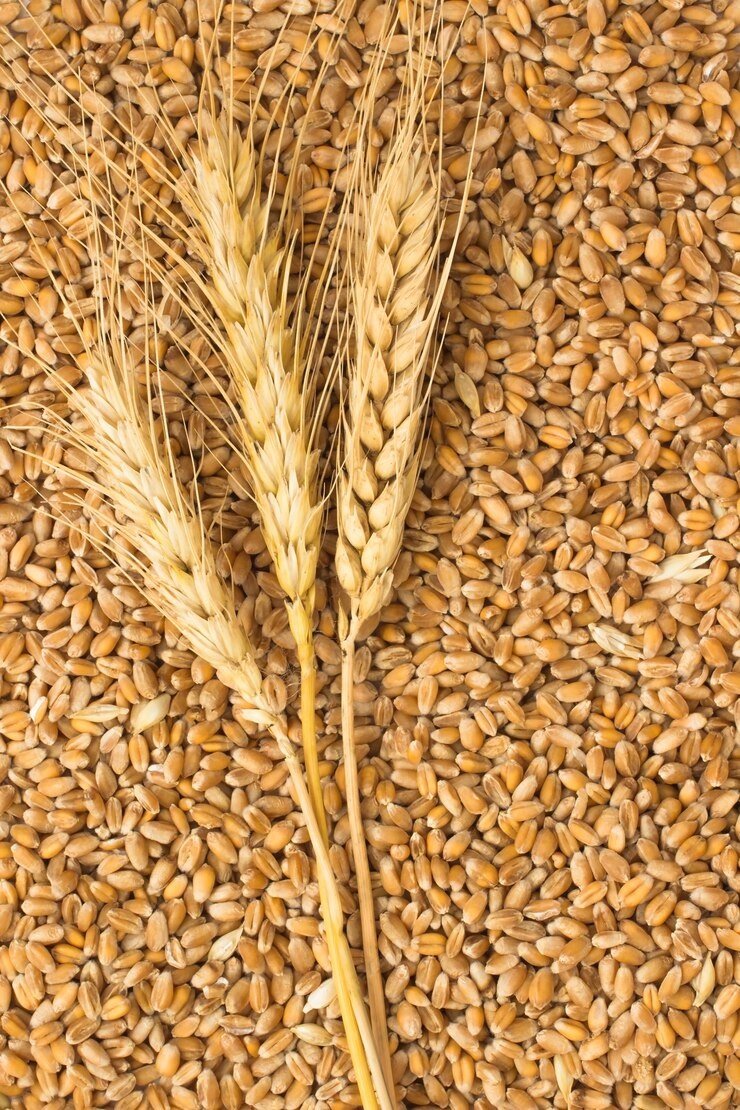
New Delhi. Despite the Food Corporation of India (FCI) holding substantial stocks and having initiated e-auctions under the Open Market Sale Scheme (OMSS), wheat prices are expected to remain firm in the near future. There are several concrete reasons for this. Wheat supplies in the wholesale markets of major producing states are steadily declining, with farmers and traders holding only limited stocks.
During the festive season, the demand for and consumption of value-added wheat products—such as *atta* (whole wheat flour), *maida* (refined flour), and *suji* (semolina)—typically rise, increasing the requirement for wheat among flour millers and processors. Furthermore, the minimum reserve price for wheat offered by the FCI has been set at a higher level this time, with transportation costs charged additionally.
Although the government has permitted the unrestricted export of wheat—and shipments are indeed taking place—the export performance has not been robust enough to exert a significant psychological impact on domestic market prices. Last week, the price of wheat in Delhi climbed above ₹3,000 per quintal, with notable price increases observed in several other key markets as well. Meanwhile, millers and processors in states like Punjab, Haryana, and Uttar Pradesh have shown keen interest in procuring wheat from government stocks, with significant trading activity also reported in other regions.
The sowing season for wheat—the primary food grain of the *rabi* season—has commenced. However, the total area under cultivation may fall slightly short of last year’s figures, as farmers are reportedly dissatisfied with the government’s decision to increase the Minimum Support Price (MSP) by only ₹25 per quintal.