
Isabgol Prices Soft Despite Weak Production
08-Jun-2026 05:53 PM
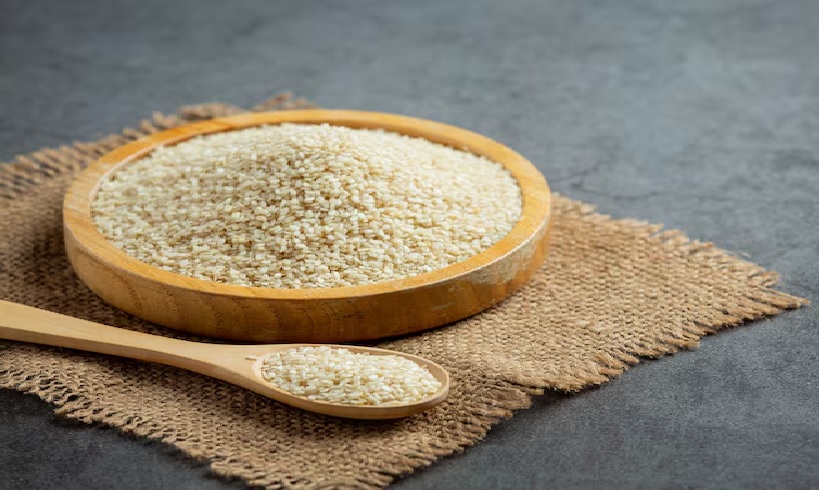
New Delhi. Indian farmers cultivated Isabgol (psyllium) over a relatively smaller area during the 2025-26 Rabi season, and yields declined as weather conditions were not entirely favorable. Exports of Isabgol to the global market are being impacted by new regulations and conditions governing the Indian organic sector.
Surprisingly, Isabgol prices have softened despite the drop in production. However, prices for Isabgol and its husk had seen some upward movement during the first quarter of 2026 due to adverse weather and reduced sowing acreage. While production is estimated to have fallen by 20 to 30 percent due to heavy unseasonal rains and storms, the supply and availability situation in the market remains comfortable, largely due to high carry-over stocks.
According to trade analysts, the Free-on-Board (FOB) export offer price for Isabgol husk (99% purity) at Mundra Port averaged around $8,720 per tonne in June 2025 but dropped to approximately $7,750 per tonne by December 2025. Notably, the export offer price for Isabgol husk (99%) had surged to a high of $10,200 per tonne in June 2024 and remained elevated at $9,400 per tonne in December 2024.
In March 2026, a 20 percent decline in domestic Isabgol production was projected; however, subsequent adverse weather raised the possibility of an additional 10 percent drop in output. Consequently, the export offer price for Isabgol husk rose to $8,150 per tonne in March, but due to weak demand, it fell to $7,850 per tonne in May 2026.
Currently, the average FOB (Free On Board) export offer prices for Isabgol husk are reported at $7,850 per tonne for 99% purity, $6,000 for 98%, and $5,090 for 95%. Similarly, export offer prices for Isabgol husk powder stand at $6,520 per tonne for 99% quality, $5,550 for 98%, and $4,410 for 95%.
A new regulation regarding organic certification has been implemented by the government agency APEDA (Agricultural and Processed Food Products Export Development Authority); this could lead to delivery delays and a potential shortage of organic Isabgol husk.
Unlike the previous rule, it is now mandatory for all farmers—large and small—to register individually, rather than just producer groups. Although the registration deadline has been extended, small-scale producers are facing significant difficulties due to this rule and are unable to supply produce effectively.