
Doubts Persist Over Rapid Growth in Rice Exports
14-Apr-2026 05:58 PM
New Delhi. The situation in West Asia remains unstable and uncertain. Although a two-week ceasefire has been established between Iran and the United States, and one round of peace talks has concluded, there are no indications of any significant change or improvement in the situation. A standoff persists between the U.S. and Iran over the issue of the Strait of Hormuz, a situation that has caused concern among numerous nations.
Following the announcement of the ceasefire and the commencement of peace talks, Indian exporters—particularly those dealing in Basmati rice—had anticipated an acceleration in the pace of export shipments.
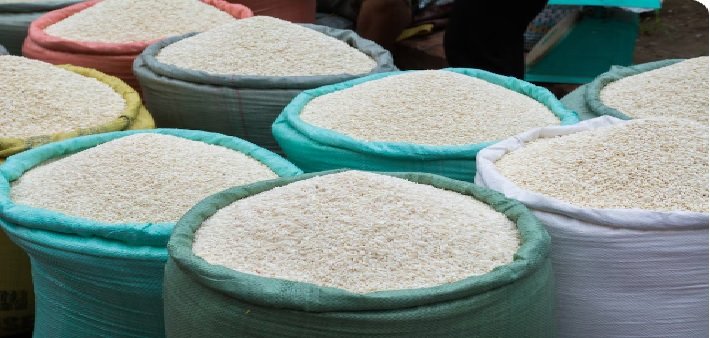
Massive stocks of rice are currently lying at Indian ports, and several consignments remain stranded at sea. New shipments were poised to commence, but this process may now face complications. Currently, only a limited number of vessels are being permitted to traverse the shipping lanes through the Strait of Hormuz.
Approximately 70 percent of India's Basmati rice exports are destined for countries across West Asia, the Middle East, and the Gulf region. Nations such as Iran, Saudi Arabia, the United Arab Emirates (UAE), Iraq, Bahrain, Qatar, Kuwait, Jordan, and Oman import substantial quantities of Basmati rice from India; however, due to disruptions in maritime traffic since March, Indian exporters have been facing significant difficulties in shipping rice to these Arab nations.
Efforts are now underway to initiate a fresh round of peace talks between the United States and Iran. Should these efforts yield a constructive outcome, the likelihood of exports—including rice and other key agricultural commodities—resuming their normal course from India would increase significantly.