
Closure of Hormuz May Affect Basmati Rice Exports
22-Jun-2026 01:48 PM
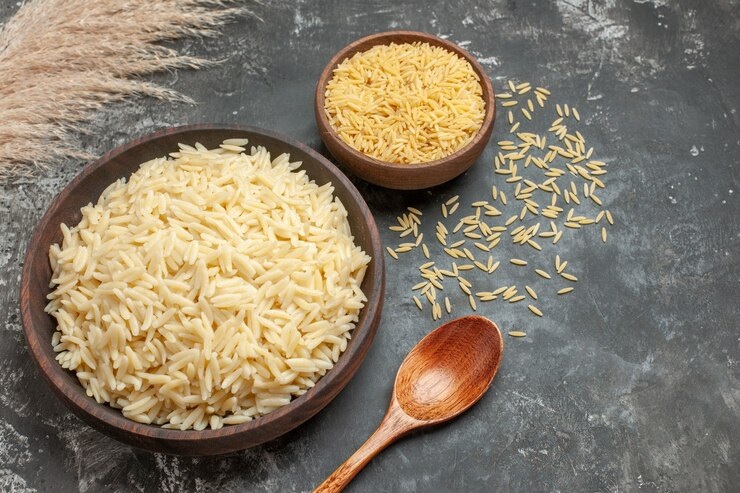
New Delhi: In protest against Israel’s continuing attacks on Lebanon, Iran has once again announced the closure of the Strait of Hormuz, disrupting the movement of commercial vessels through this crucial maritime route. As a result, India's exports of basmati rice and tea could be adversely affected. Exporters say that if shipments to West Asia, the Middle East, and Gulf countries decline or get delayed, basmati rice prices may fall by 5–10 percent.
After Iran and the United States reached an interim peace agreement and consensus was formed to reopen the Strait of Hormuz, Indian exporters had heaved a sigh of relief. It appeared that conditions would soon return to normal. Expecting exports to resume, heavy buying of basmati rice began in the domestic market, causing prices to rise by 15–20 percent. However, the Indian Rice Exporters Federation believes that Iran’s sudden decision to close the Strait of Hormuz again could weaken basmati rice prices.
It is understood that around 60,000 tonnes of basmati rice were recently shipped to West Asian countries and are currently in transit. The closure of the Strait of Hormuz has made the fate of these shipments uncertain.
Among the top five West Asian importers of Indian basmati rice are: Saudi Arabia, Iran, Iraq, United Arab Emirates, Yemen
Together, these countries account for approximately 50 percent of India’s total annual basmati rice exports. Other importers in the region include Qatar, Jordan, Kuwait, and Bahrain.
India produces more than 7.2 million tonnes of basmati rice annually, of which nearly 6 million tonnes are exported to countries around the world.