Home News
10-Nov-2026 06:57 PM
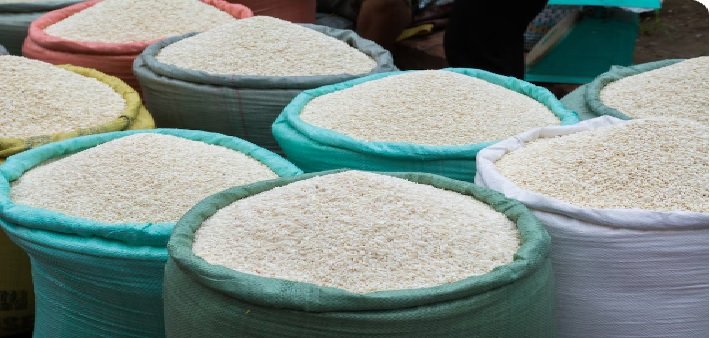
Rome. The Food and Agriculture Organization (FAO)—a specialized agency of the United Nations—reported that its Global Rice Price Index rose by 1.6 percent in October 2026 compared to September, reaching an average of 112.3 points. This figure is approximately 14 percent higher than the level recorded in October 2025, indicating that global rice market prices remained at a significantly high level throughout October 2026. While prices for premium-quality aromatic rice—such as Basmati and Jasmine—fluctuated, they ultimately remained close to their September levels; however, prices for other categories of rice saw an increase.
According to the FAO report, the price index for Indica rice rose by 2 percent in October compared to September, reaching its highest level in 21 months. During the same period, the price index for Japonica rice increased by 3.8 percent, while the index for glutinous rice rose by 1.4 percent.
The report notes that Japonica rice prices strengthened due to reduced supply in Vietnam and the prospect of new tenders being issued by countries such as the Philippines. The supply and availability situation for glutinous rice remained complex.
In Asian markets, the price of Indica rice remained firm; the pace of harvesting the new paddy crop was slow, limiting the availability of rice stocks for export, even as African nations continued to show active interest in purchasing. It is worth noting that the FAO releases a detailed account of fluctuations in global rice market prices on a monthly basis. Domestic demand for broken rice also remained strong in major exporting countries.
The export offer price for Pusa Basmati rice in India remained stable at around $1,050 per tonne, while the offer price for non-Basmati rice with 25% broken grains rose from $367 per tonne in September to $376 per tonne in October, and the offer price for rice with 5% broken grains increased from $378 to $386 per tonne.