
Water levels in dams and reservoirs drop below 30 percent
05-Jun-2026 08:15 PM
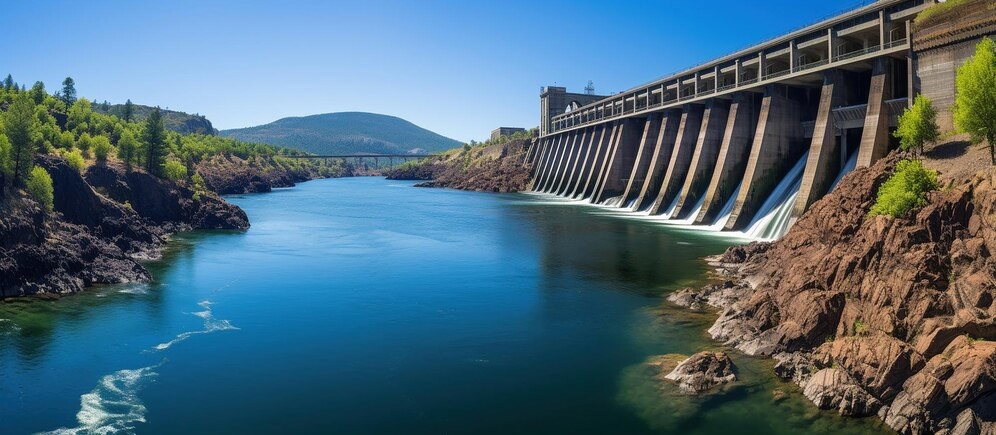
New Delhi. Latest data from the Central Water Commission reveals that water levels in the country's 166 major dams and reservoirs have fallen below 30 percent of their total storage capacity. Approximately 80 percent of these reservoirs are more than half empty.
Although the Southwest Monsoon has arrived in Kerala, it is running three days behind its scheduled date of June 1. While current water stocks in dams and reservoirs are lower than last year's levels, they remain slightly above the ten-year average.
According to the Commission's weekly report, the water stock in these 166 dams and reservoirs stands at 54.726 billion cubic meters (BCM), representing 29.81 percent of the total storage capacity of 183.564 BCM. During the same period last year, the stock was 58.303 BCM, while the ten-year average is estimated at 46.152 BCM.
Agricultural experts state that if the Southwest Monsoon does not bring adequate rainfall across all parts of the country, the sowing and progress of Kharif crops—in both rain-fed and irrigated areas—could be adversely affected; furthermore, there is a heightened risk that production in the subsequent Rabi season will also be impacted.
Commission data indicates that water levels in dams and reservoirs across the country's eastern and southern regions have dropped below 25 percent, a matter of serious concern. Paddy, which requires significant water for irrigation, is cultivated on a large scale in both these regions.
Water levels in the western region have also fallen below 35 percent; this area is a major producer of pulses, oilseeds, cotton, and sugarcane.
According to the Meteorological Department, most parts of the country received below-normal or significantly deficient rainfall during the five-month period from January to May this year; this not only caused water levels in dams and reservoirs to drop but also depleted soil moisture in the fields.