
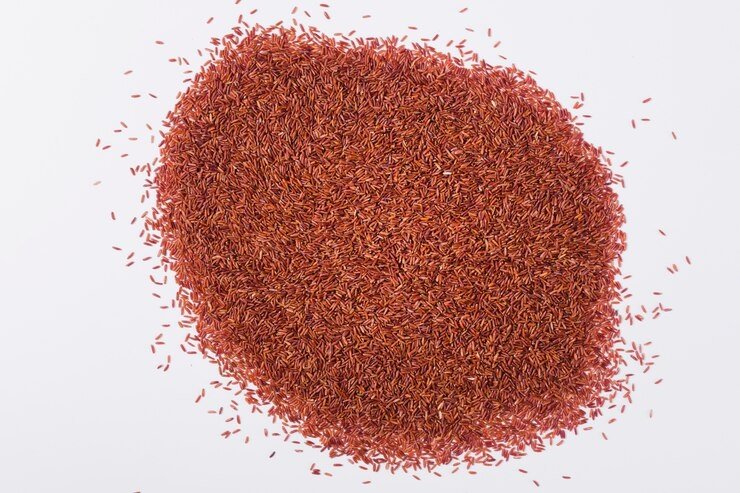
The situation described in Sri Lanka highlights the complexities surrounding food production, distribution, and government policy. Here's a breakdown of the key points:
Government Policy Impact: The previous government's decision to implement strict price controls and purchase large quantities of red rice at a high price led to an artificial distortion in the rice market. Red rice, which is mainly consumed in the southern states and Ratnapura district, was distributed across the country, including regions where it is not typically consumed. This resulted in an oversupply of red rice in areas where demand was low, contributing to its disappearance from markets and a subsequent price hike.
Consumption and Production: Sri Lanka consumes around 24 lakh tonnes of rice annually, with a monthly consumption of about 2 lakh tonnes. However, the production of rice within the country (around 29 lakh tonnes from 49 lakh tonnes of paddy produced) should theoretically cover domestic demand, yet there is still a shortage, which has led to rice imports from India. This shortage, despite surplus production, suggests that factors such as distribution inefficiency, policy mismanagement, and perhaps inadequate varieties of rice to meet demand have contributed to the issue.
Rice Categories: The Trade Minister provided detailed statistics about the various types of rice produced in Sri Lanka:
- Nadu rice (65% of total production), which is commonly used as Sela rice.
- Kekunu rice (15%).
- Samba rice (15%).
- Basmati rice (around 4-5%), primarily used in hotels.
Rice Imports: Despite producing a surplus of rice, the government was forced to import rice, indicating that the mismatch between production (which was largely of Nadu and other varieties) and consumer preferences, along with the distortion caused by price controls and distribution decisions, led to supply shortages.
Long-Term Implications: This situation illustrates how short-term policy measures like price controls, while aiming to protect consumers, can sometimes lead to market distortions. It also underscores the importance of targeted interventions in agricultural policy, where different types of rice are produced and consumed in specific regions, and the need for balanced distribution that matches demand.
Overall, the shortage of red rice in Sri Lanka appears to be a consequence of a combination of governmental purchasing decisions, price control policies, and distribution mismatches, compounded by other systemic challenges in the agricultural sector.