
The Impact of the West Asian Crisis
14-Mar-2026 10:55 AM
An atmosphere of severe unrest prevails in West Asia. The conflict involving Iran, Israel, and the United States has entered its fifteenth day, and there appear to be no signs of it ending in the near future, as both sides remain adamant in their respective stances.
The repercussions of the Iran-US conflict are being felt across the entire Gulf region, with the energy crisis, in particular, continuing to escalate.
Oil tankers are facing incessant attacks. Iran is targeting the oil (petroleum) production hubs of nations such as Saudi Arabia, the United Arab Emirates (UAE), Qatar, Oman, Kuwait, Iraq, Jordan, and Bahrain.
Furthermore, it has blocked the Strait of Hormuz and issued warnings threatening to destroy any vessels attempting to pass through it. This maritime route accounts for the import and export of 20 percent of the world's crude oil.
Like many other nations, India, too, is experiencing a deeply adverse impact from the crisis in West Asia.
India exports Basmati rice, fruits and vegetables, sugar, spices, oil meals, and other commodities to the Gulf nations on a large scale, while also importing various goods from the region.
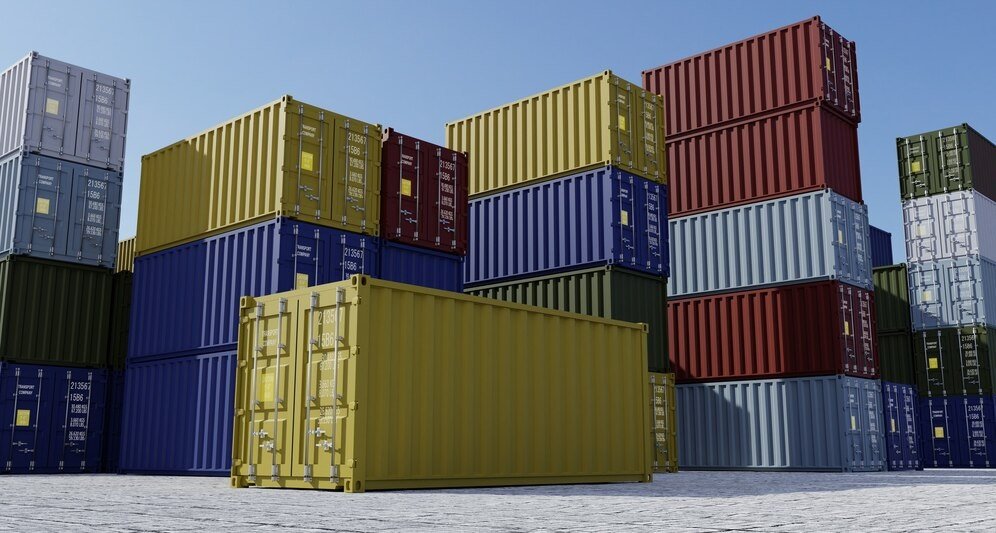
However, the disruption in maritime transport has severely hampered both import and export activities.
Approximately 45 percent of India's Basmati rice exports are destined for these countries—a trade flow that has currently come to a standstill.
Numerous Indian vessels have been forced to turn back midway through their journeys. It is imperative that this crisis be resolved as swiftly as possible; otherwise, the risk of a global economic recession will intensify.