
News Capsule: Sugar Price Politics Intensifies, Import Decision Fuels Ethanol Policy Debate
24-Aug-2026 12:04 PM
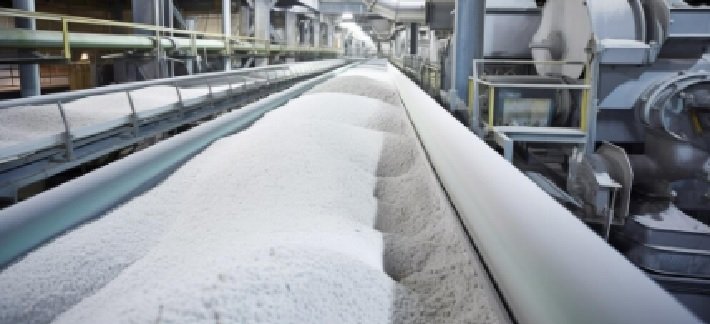
News Capsule: Sugar Price Politics Intensifies, Import Decision Fuels Ethanol Policy Debate
★ The Centre’s decision to allow imports of 1 million tonnes of raw sugar after a gap of nearly 10 years has intensified the debate among political parties, experts and industry stakeholders over sugar prices, ethanol production and export policy. The government has permitted duty-free imports to contain rising domestic prices and ensure adequate supplies during the festive season.
★ Sugar is a politically sensitive commodity in India, given its significant impact on major sugarcane-producing states such as Uttar Pradesh, Maharashtra and Karnataka. With Assembly elections due in Punjab and Uttar Pradesh within the next eight months, the sugar import decision has also taken on a political dimension.
★ The Opposition has questioned the government’s decision, arguing that if domestic sugar production is declining, stocks have fallen to a nine-year low and the country has been forced to import 1 million tonnes of sugar, then the government should review its policy of diverting sugarcane and grains towards ethanol production and blending 20% ethanol with petrol under the E20 programme.
★ The Opposition has also targeted the government over rising sugar prices and the use of sugarcane for ethanol production, alleging that the benefits of ethanol blending and higher sugar prices are accruing to only a few sections.
★ The government, however, has rejected the argument that diversion of sugar for ethanol is responsible for the current rise in sugar prices. According to the government, the share of sugar diverted for ethanol production declined from 12% in 2022-23 to 9% in 2025-26. Nearly three-fourths of the ethanol produced in the country now comes from grains, particularly maize.
★ According to the government, the recent rise in sugar prices is the result of several factors, including lower-than-expected domestic production, increased demand ahead of the festive season, weather-related damage to the sugarcane crop, tightening global sugar supplies, and speculation and hoarding by some sections of the industry.
★ The government has maintained that diverting surplus sugar towards ethanol has helped address structural problems in the sugar sector and improve the financial position of sugar mills. As of August 20, 97% of sugarcane dues for the 2025-26 sugar season had already been paid to farmers.
★ The government also said that improved financial conditions of sugar mills have reduced their dependence on government support. Around ₹14,600 crore in subsidies were provided to the sugar industry between 2014 and 2021, while no fresh subsidy has been announced since 2021-22.
★ However, with the Uttar Pradesh Assembly elections approaching, the government may find it difficult to push sugar prices too low. Higher imports or a sharp reduction in sugar diversion towards ethanol could weaken mill finances and increase the risk of rising cane arrears in the 2026-27 season, which begins in October.
★ According to industry estimates, sugar prices of around ₹50 per kg would be positive for mills, while production costs are estimated at ₹42-43 per kg. Over the past few years, several mills have had to sell sugar below production costs, putting pressure on their finances. Sustained ex-mill prices of around ₹50 per kg could therefore help improve the financial health of sugar mills.