
Emphasis Placed on Need for Financial Assistance for Crop Diversification
12-May-2026 05:22 PM
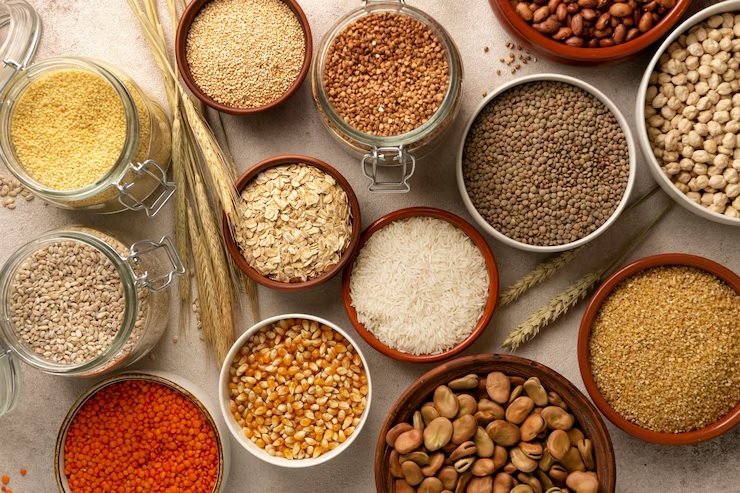
Hyderabad: In Telangana—a key agricultural producing state in South India—the Kharif season primarily sees the production of paddy, maize, and cotton, while the cultivation of pulses, oilseeds, and other coarse cereals is limited to a smaller area.
The state government is now placing special emphasis on a crop diversification scheme aimed at reducing the acreage under paddy cultivation and expanding the area dedicated to pulses and oilseeds. The Telangana Farmers' Commission has also urged the state government to further develop and expand this scheme.
The Commission has suggested including vegetable crops alongside pulses and oilseeds in this initiative to mitigate the losses farmers often incur under a monocropping system. Furthermore, the Commission has underscored the necessity of encouraging the cultivation of traditional crops, such as turmeric and sugarcane, within the state.
In its 40-page report submitted to the government, the Commission stated that it is essential to arrange for price support and insurance coverage for all alternative crops; only then can farmers' enthusiasm and interest in these crops be effectively boosted. Telangana is in dire need of a crop diversification scheme, as disputes with the Central Government regarding the procurement of paddy and rice frequently arise in the state.
Similarly, because open market prices for cotton often fall significantly below the government's Minimum Support Price (MSP), the central agency—the Cotton Corporation of India (CCI)—is compelled to procure it from farmers in massive quantities. The government is also frequently obliged to undertake large-scale procurement of maize.
Previously, sugarcane was produced on a large scale in Telangana; however, the area under its cultivation is now steadily shrinking. Farmers' interest in the production of turmeric in the state is also on the decline.