
Due to duty free import, the price of pulses has started softening
25-Jan-2025 11:52 AM
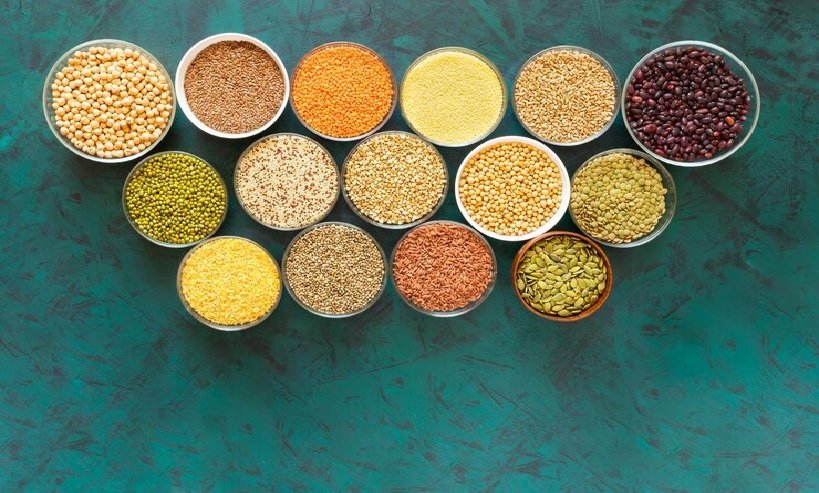
The recent softening of pulse prices in India seems to be driven by a combination of factors, primarily the impact of duty-free imports and the arrival of good Kharif pulses.
Duty-free imports, particularly of yellow peas, have been a significant contributor, with around 28 lakh tonnes of yellow peas arriving since December 2023.
This has not only increased the supply of pulses in the domestic market but also led to a decrease in prices due to the substitution effect—yellow peas, being cheaper, are being used in place of more expensive pulses like gram and tur.
The extension of duty-free imports and the availability of domestic crops, including moong, urad, and tuvar, have created a surplus, which has put downward pressure on prices across the board. The softening of tur prices, for example, is linked to the availability of cheaper alternatives.
This interconnected pricing dynamic means that the price of pulses, in general, is likely to stay under pressure as long as the imports continue.
The government's extension of the duty-free import period, especially for tur, until March 2026, and the possibility of similar measures for other pulses, could lead to further price drops.
While this might benefit consumers in the short term, there is concern that prices could dip below the Minimum Support Price (MSP), which may complicate matters for farmers.
The government may view this as an opportunity to purchase pulses at lower prices for buffer stocks, but it also raises questions about the sustainability of the domestic pulse market and the impact on farmers' incomes.
It’s interesting to consider how these policy decisions will affect both consumers and producers in the long term. Do you think this is a balanced approach, or could it harm the interests of local farmers over time?