Home News
13-Nov-2026 06:04 PM
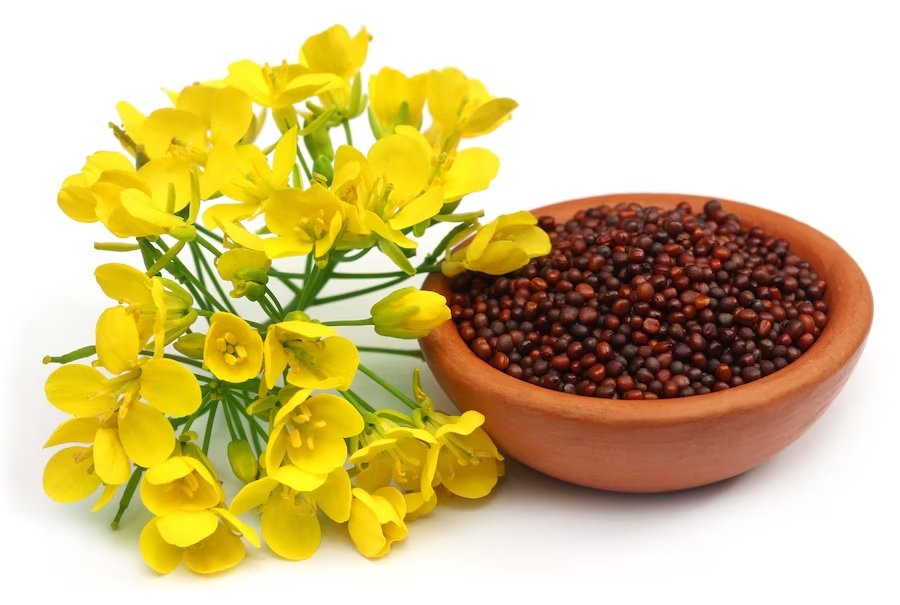
New Delhi. A significant increase in the sowing area for mustard—the primary oilseed crop of the Rabi season—was anticipated this year. With wholesale market prices reaching record highs, farmers were expected to see attractive returns, which would likely have boosted their enthusiasm and interest in cultivating this crop. Furthermore, the central government has increased the Minimum Support Price (MSP) for mustard by more than Rs 400 per quintal.
However, despite these positive factors, there are signs of a sharp decline in the area under mustard cultivation. As of November 6 this year, the domestic area sown with mustard stood at 4.031 million hectares—a decrease of 1.371 million hectares compared to the 5.402 million hectares recorded during the same period last year.
Although the area under mustard is showing week-on-week progress, the pace is slower than that of the previous year. This sowing trend is far from encouraging; it is not even satisfactory, especially considering that the ideal window for mustard cultivation will close in the next two weeks.
In fact, rainfall from the southwest monsoon was significantly lower in several regions where mustard is grown on a large scale. While major producing states—such as Rajasthan, Uttar Pradesh, Madhya Pradesh, Haryana, Gujarat, West Bengal, and Bihar—did not face widespread drought conditions, the uneven distribution of rainfall has made it difficult for farmers to sow mustard.
While there is a possibility of further improvement in the area under mustard, it remains doubtful whether the total acreage will reach last year’s levels.