
DDGS has become a headache for the poultry industry, animal feed, edible oil industry, sugar industry and oilmeals.
02-Dec-2024 10:16 AM
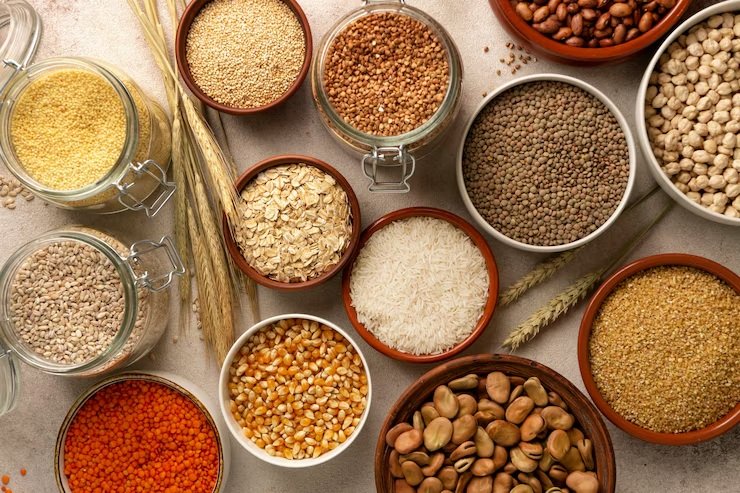
DDGS has become a headache for the poultry industry, animal feed, edible oil industry, sugar industry and oilmeals.
The rising demand for maize, particularly due to its increasing use in ethanol production, is creating significant ripple effects across multiple industries in India. Here’s a breakdown of the key issues and impacts:
1. Poultry and Animal Feed Sector
Maize Dependency: Maize is a crucial component in India’s poultry feed, constituting around 60% of the feed mix. As ethanol production consumes more maize, there is a direct impact on the availability of maize for animal feed.
Rising Prices: The sharp 20% rise in maize prices, driven by the increased demand for ethanol, is making it more expensive for poultry farmers to procure feed, potentially leading to higher costs for meat and eggs.
2. Ethanol Production Boom
Maize for Ethanol: The ethanol industry has rapidly grown in India, with maize consumption for ethanol production projected to increase dramatically—reaching 130 lakh tonnes by 2024-25, up from just 10 lakh tonnes in 2022-23. This expansion aligns with the government's goal to blend 20% ethanol in petrol by 2025.
Policy Impact: The government's push for higher ethanol blending is driving this demand. While this is beneficial for the ethanol industry, it is also squeezing other sectors that rely on maize.
3. Edible Oil Industry
Competition for Maize: The surge in ethanol production has led to an oversupply of DDGS (Distiller's Dried Grains with Solubles), a byproduct of ethanol production. While DDGS is a cheaper alternative to soybean meal in animal feed, its availability at low prices has affected the oilmeal market.
Impact on Oilseed Prices: The lower demand for traditional oilseeds like soybeans (due to cheaper DDGS) is putting downward pressure on their prices. This, in turn, affects the incomes of farmers growing oilseeds and the profitability of the oil extraction industry.
4. Sugar Industry
Limited Ethanol Allocation: The sugar industry, which also contributes to ethanol production, has faced allocation challenges. In 2024-25, only 837 crore liters of ethanol were allocated to the sugar industry, while the industry’s total production capacity stands at 970 crore liters. This allocation discrepancy limits the industry's ability to fully capitalize on the ethanol market.
Pressure on Sugar Prices: The diversion of sugarcane towards ethanol production (instead of sugar) could affect the domestic supply of sugar, potentially increasing sugar prices.
5. Maize Imports
Declining Production vs. Rising Demand: India’s maize production has decreased to 374 lakh tonnes in 2023-24, while domestic demand continues to rise due to both the ethanol and animal feed sectors. This imbalance is forcing India to become a net importer of maize, putting additional strain on the country’s agricultural trade balance.
Pressure on Prices: As India becomes more reliant on imports, the prices of maize are likely to remain high, further elevating costs for sectors dependent on maize.
6. Impact on Farmers and Crop Choices
Maize Cultivation Incentives: While the growing demand for maize, particularly for ethanol, may encourage farmers to shift towards cultivating maize, it could come at the expense of other crops. The decision to allocate land for maize could impact the production of rice, wheat, or oilseeds, potentially causing imbalances in the supply of these crops and affecting food prices.
Sustainability and Long-Term Effects: As maize becomes more attractive due to its higher market prices, the long-term sustainability of maize-based agriculture needs careful attention. Over-reliance on a single crop could make farmers vulnerable to price volatility or environmental factors affecting maize yields.
7. Government's Role
Policy Direction: The government’s ethanol blending mandate is a major driver of the changes in maize consumption. While this aligns with energy goals, the knock-on effects on agriculture, animal feed, and food prices need careful management.
Support for Affected Sectors: Addressing the challenges faced by sectors like poultry, animal feed, and oilseeds requires targeted policy interventions, such as subsidies or price stabilization measures, to support farmers and businesses affected by rising maize prices and changing demand patterns.
Conclusion:
The growing demand for maize due to ethanol production is creating a complex scenario with far-reaching implications for the poultry industry, animal feed, edible oil sector, and agriculture in general. While the ethanol push supports the government's energy goals, it is essential to balance these objectives with the needs of other industries and the agricultural economy. Steps such as improving maize productivity, encouraging crop diversification, and ensuring fair pricing for affected industries will be critical in managing this transition.