
Brazil's Soybean Exports Reach New Historic Record Level
02-Jun-2026 03:36 PM
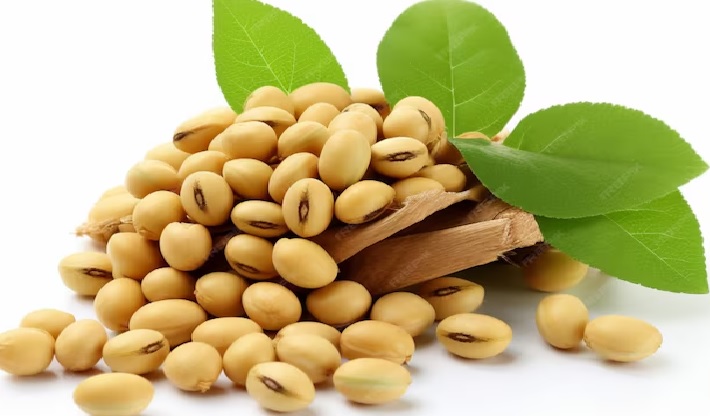
Paranaguá. By the end of May of the current year, total soybean exports from the Latin American nation of Brazil surged rapidly, reaching an all-time high of 51.6 million tonnes (for this specific period). This figure exceeds the record shipments of 51.5 million tonnes recorded during the same period in 2025 by 100,000 tonnes. This milestone was achieved even before the month of May had concluded. This serves as a clear indication of the tremendous global demand for Brazilian soybeans, particularly in China.
According to data from the Secretariat of Foreign Trade, soybean exports continue to scale new record heights. By the third week of May, soybean exports from the country had reached 11.38 million tonnes. Consequently, an average of 759,000 tonnes of soybeans is currently being shipped daily. If this trend persists, total exports for the month of May are projected to rise to 15.18 million tonnes. Previously, in May 2023, Brazil recorded a total soybean export volume of 15.66 million tonnes.
In its April report, the government agency CONAB raised its forecast for Brazil's gross soybean exports during 2026 from 115.5 million tonnes to 116 million tonnes—the highest level ever projected.
Analysts within the trade and industry sectors anticipate an even higher figure—1 million tonnes above the official estimate—projecting total exports at 117 million tonnes. In 2025, Brazil shipped a total of 108 million tonnes of soybeans; this volume is expected to see an increase of 8 to 9 million tonnes this year.
It is noteworthy that Brazil is the world's largest producer and exporter of soybeans, while China remains its primary buyer. Approximately 70 percent of Brazil's soybean exports are destined for China.
Due to record production, Brazil's carryover surplus stock of soybeans could rise to 10.3 million tonnes by the end of the current year. Domestic crushing and exports are also expected to reach new record levels. The harvesting and processing of the soybean crop in the region have now concluded.