Home News
13-Oct-2026 06:37 PM
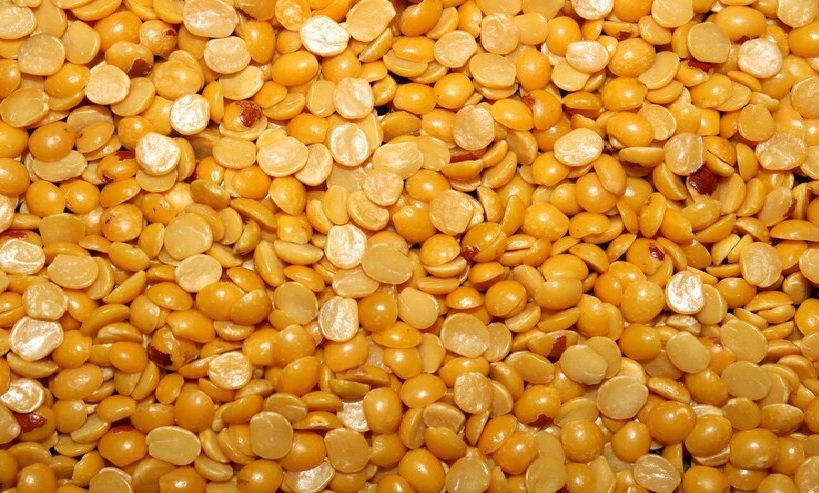
Arhar prices fell today as demand from pulse mills remained limited and buying activity slowed down amidst high market rates. Prices of domestic Tur dropped by ₹200–300 per quintal, while imported Tur prices declined by ₹100–150 per quintal. Following a recent one-sided rally in prices, pulse millers are exercising caution regarding purchases at these elevated levels, putting pressure on the market's upward momentum.
Caution in buying due to fears of government intervention
Following the recent surge in Arhar prices, there is growing apprehension in the market that the central government might impose stock limits or take other measures to control prices. Consequently, traders and pulse millers are refraining from making new purchases at high rates. Prices remain under pressure due to currently limited market demand. However, consumption and demand for Arhar dal are expected to remain steady given the upcoming festive season. On the other hand, only limited stocks of domestic Arhar remain available in producing markets; thus, prices could find renewed support if demand improves.
Supply concerns due to weak production and costly imports
Uncertainty surrounds Arhar production during the current Kharif season. Reports of adverse weather conditions in key producing regions—Maharashtra, Karnataka, and Andhra Pradesh—have raised concerns regarding crop output. If production estimates are revised downwards, domestic supply could be impacted in the coming months. Additionally, imported Arhar has become expensive due to relatively limited supplies from African nations and rising import costs caused by the weakening rupee. This has increased the procurement cost of imported stock and raised concerns regarding availability in the domestic market. However, the actual volume of imports and data regarding new crop production will be crucial in determining the market's future direction.
Outlook for Tur Prices
Currently, factors both supporting a rise and exerting downward pressure on prices are at play in the Tur market. Limited domestic stocks, a potential decline in production, high import costs, and festive demand could provide market support. Conversely, subdued buying by pulse mills at high price levels and the apprehension of potential government intervention could limit the upward movement of prices. In the near term, the trajectory of Tur prices will primarily depend on buying activity by pulse mills, market arrivals in producing regions, the availability of imported stock, and government policy decisions. Should demand improve while supply remains constrained, the market could receive support.