
Wheat, Corn, and Soybean Futures Surge Amid Prospects of Increased Imports by China
18-May-2026 01:17 PM
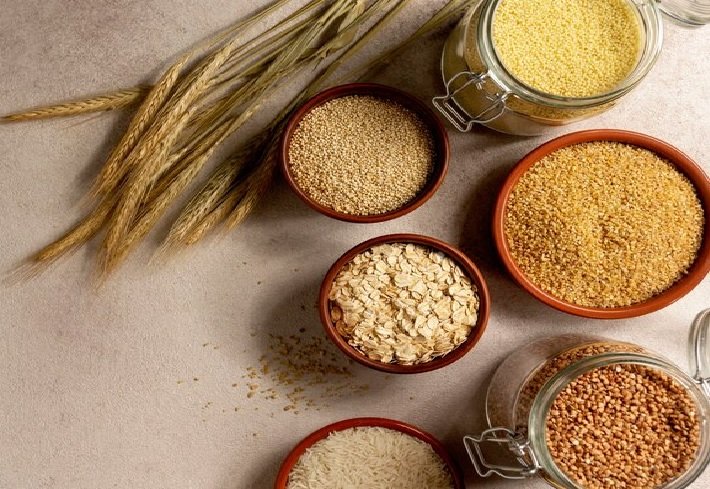
Chicago. Upon returning from a visit to China, the U.S. President stated that China has agreed to undertake massive imports of wheat and corn from the United States, in addition to soybeans. Following this announcement, the futures prices for these three agricultural commodities witnessed a sharp rise at the Chicago Board of Trade (CBOT). American farmers had been deeply concerned and disheartened by China's indifference. China's vast market has historically served as a cornerstone for the U.S. agricultural sector; however, angered by U.S. tariff policies and adversarial measures, China had either halted or drastically curtailed its imports of agricultural products from the country.
According to an update released by the U.S. administration, China has agreed to import agricultural products from the United States totaling at least $17 billion in value between the years 2026 and 2028. Furthermore, the commitment (pledge) China made toward the end of 2025 regarding the import of soybeans from the U.S. will also remain in effect. It is noteworthy that, at that time, a significant meeting took place between the presidents of China and the U.S., during which measures to resolve the trade impasse between the two nations were deliberated.
While China had, at that time, signaled its willingness to import American soybeans, it did not commercially commence these imports for a considerable period, as it had the alternative option of a key supplier nation like Brazil. Brazil stands as the world's largest producer and exporter of soybeans, while ranking second globally in corn exports and third in corn production. China was procuring adequate quantities of soybeans and corn from Brazil, whereas its wheat imports were being sourced from countries such as Australia, Canada, and France. This situation was inflicting severe financial losses upon American farmers. Although China has now consented to import American agricultural products, it remains to be seen—with keen interest—precisely when actual imports will commence and what their ultimate volume will be.