
Weekly Review-Cumin
28-Dec-2024 08:13 PM
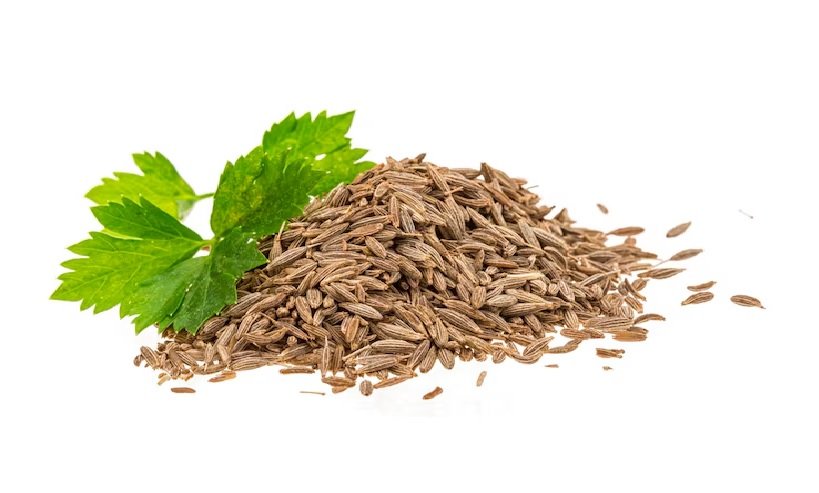
Waiting for final figures of cumin sowing: Export and local trade low
Weekly Review: Cumin Market Overview
Sowing and Market Trends:
This week, cumin trade—both locally and for export—remained subdued, mainly due to the festive season (Christmas and New Year). Export demand is low, with only sporadic activity, and local uptake has been limited. As a result, cumin prices have remained stable, with minor fluctuations. Cumin futures saw a slight decrease, with the January contract closing at Rs 23,950 after opening at Rs 24,210. Similarly, the March contract closed at Rs 23,110, down from Rs 23,830 at the start of the week. Prices at the consumption and producing centers also saw slight changes, with fluctuations ranging from Rs 100-200.
Sowing and Production Projections:
Sowing has now been completed in the cumin-producing states. Official sowing figures are awaited, but market participants anticipate a decrease in cumin sowing in Gujarat by 20-30% compared to last year. In Rajasthan, however, the area of sowing is expected to remain similar to last year. Overall, despite the decrease in sowing in Gujarat, the area sown in Rajasthan is expected to compensate for the dip.
The production area for cumin in India for the year 2024 is expected to be a record 12.64 lakh hectares, compared to 7.73 lakh hectares in 2023. Despite the record sowing, the delayed monsoon and high temperatures have led to a 20-25 day delay in the sowing process, which will likely delay the harvest as well. This year, the arrival of the new crop is expected to peak in March in Gujarat and in April in Rajasthan, a delay from the usual February influx.
Impact on Prices and Production:
Due to a reduced sowing area, cumin production for the upcoming season is expected to be lower than last year. In 2023, cumin production stood at approximately 1-1.10 crore bags (each bag weighing 55 kg), while 2024 production is projected to be around 75-80 lakh bags. Current stocks in the mandis of production centers are estimated to be between 25-30 lakh bags, which will likely decrease to 15-20 lakh bags before the new crop arrives. If weather conditions are favorable, production in 2025 may see a slight recovery.
Price Outlook:
Given the significant stock levels, a major price surge is not anticipated. However, minor fluctuations of Rs 5-8 per kg are expected until the new crop arrives. Currently, prices at the production centers are around Rs 220-240 per kg, while export prices are quoted at Rs 4,810 per 20 kg. Despite low trade volumes, export demand is expected to pick up in January, potentially boosting trade activity.
Export Performance:
The record cumin production in India this year has led to a softening of prices, which in turn has contributed to a rise in exports. According to data from the Spices Board, India's cumin exports in the first half of FY 2024-25 (April-September) reached 128,505 tonnes, significantly higher than the 76,969.88 tonnes exported in the same period last year. In FY 2023-24, total cumin exports amounted to 165,269 tonnes. The drop in prices has made cumin more competitive in the international market, leading to an increase in export volumes.
In summary, while domestic cumin prices are relatively stable and showing modest declines, a reduced sowing area and delayed arrivals point to a potential supply shortfall in the upcoming season. This could put upward pressure on prices in the medium term, especially if weather conditions are favorable. Export demand is expected to rise, further supporting the market.