
Weak Monsoon Feared to Impact Kharif Pulses Production
22-Apr-2026 12:00 PM
New Delhi: India—widely regarded as the epicenter of the global pulses ecosystem—is currently navigating a transitional phase. During the 2025-26 Kharif and Rabi seasons, pulses production remained largely normal—albeit with some fluctuations—and the need for imports from abroad was reduced due to substantial carry-over stocks from the previous year. However, the true test for pulses growers is now set to begin in the upcoming 2026-27 Kharif season. This situation warrants close and vigilant monitoring.
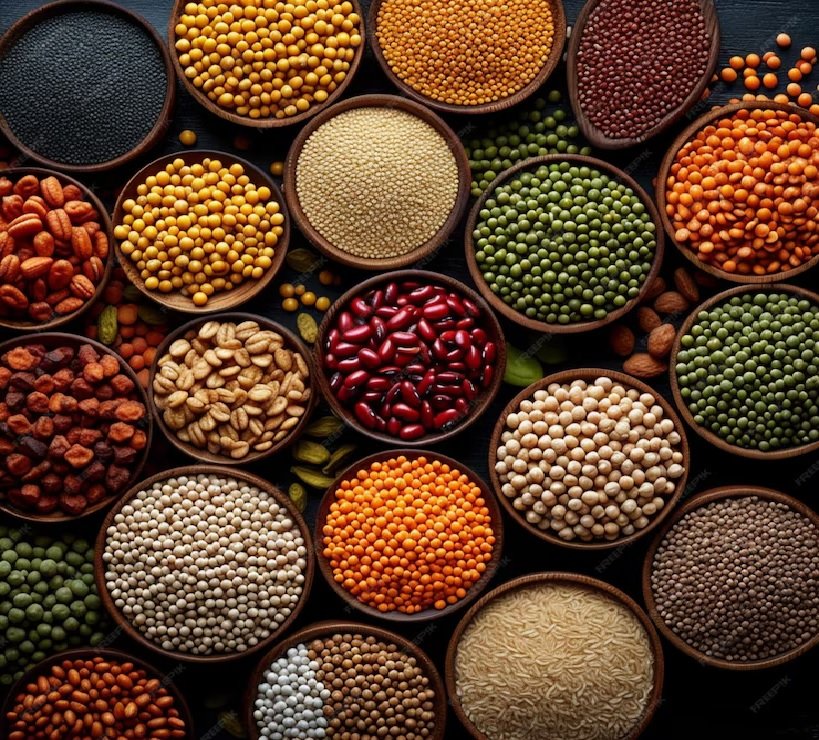
India stands as the world's largest producer, consumer, processor, and importer of pulses. During the Kharif season, the country witnesses massive production of Arhar (Tur/Pigeon Pea), Urad (Black Gram), and Moong (Green Gram); similarly, the Rabi season yields abundant crops of Chana (Chickpea), Masur (Lentil), and Matar (Pea). In addition to these major varieties, there is also limited cultivation of certain other pulses. India holds the leading position globally in the production of Chana, Tur, Urad, and Moong.
Many nations across the globe cultivate pulses primarily with their sights set on the Indian market, given that India imports Tur, Urad, Masur, Matar (Yellow Peas), and Chana (Desi Chickpeas) on a massive scale.
Should India halt its imports, pulses production in countries such as Canada, Australia, Myanmar, and various African nations could be significantly disrupted, potentially triggering a sharp decline in global market prices.
India's total pulses production peaked at 27.3 million tonnes in 2021-22; however, this figure is projected to contract to approximately 26 million tonnes during the 2025-26 season. Chana and Tur collectively account for over 50 percent of the country's total domestic pulses output.
This year, influenced by the El Niño weather cycle, the Southwest Monsoon is expected to be weak. Consequently, rainfall patterns during the Kharif season—spanning from June to September—are likely to remain uncertain and erratic. This scenario could adversely impact the sowing and subsequent growth of Tur, Urad, and Moong crops.