
Status and Trajectory of the Monsoon
25-Jul-2026 11:52 AM
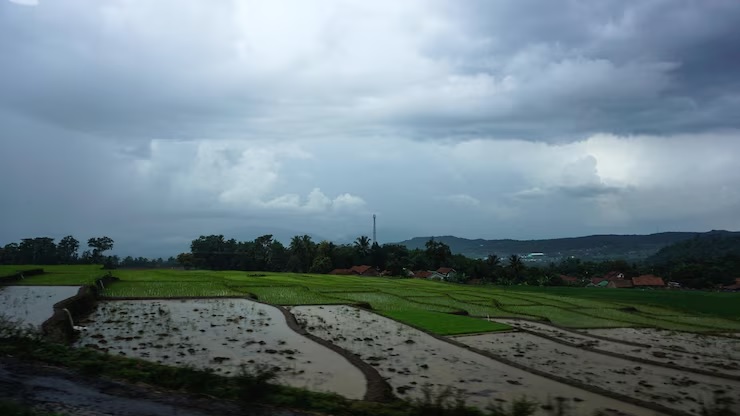
After remaining extremely dry and inactive in June, the Southwest Monsoon has gained momentum in the current month (July), bringing good rainfall to various parts of the country—a trend likely to continue over the coming days.
This will facilitate increased sowing of Kharif crops and ensure their healthy progress. The vigorous monsoon activity this month is narrowing the rainfall deficit relative to the long-term average.
The India Meteorological Department (IMD) has forecast a 10 percent rainfall deficit for the year, and the government believes that Kharif production could be adversely affected if the shortfall exceeds this figure. July is proving promising, and the pace of Kharif crop sowing has accelerated; notably, July and August are considered the peak rainfall months.
So far, this month has not disappointed farmers or the government. If rainfall patterns remain normal in August, the El Niño weather cycle is unlikely to have a severe impact on the Indian monsoon or the agricultural sector. India is a vast country with large-scale production of crops such as rice, pulses, oilseeds, coarse cereals, cotton, and sugarcane; it possesses the resilience to withstand minor fluctuations in annual production.
A significant aspect is that the distribution of monsoon rainfall this year appears largely normal, suggesting that the risk of a severe drought crisis is confined to very limited areas. While the southern peninsula and eastern and northeastern regions initially faced a significant rainfall deficit, they have received good rainfall in recent days.
Although some fields still require substantial rain, it is important to remember that the monsoon season is far from over; conditions could normalize in August.