
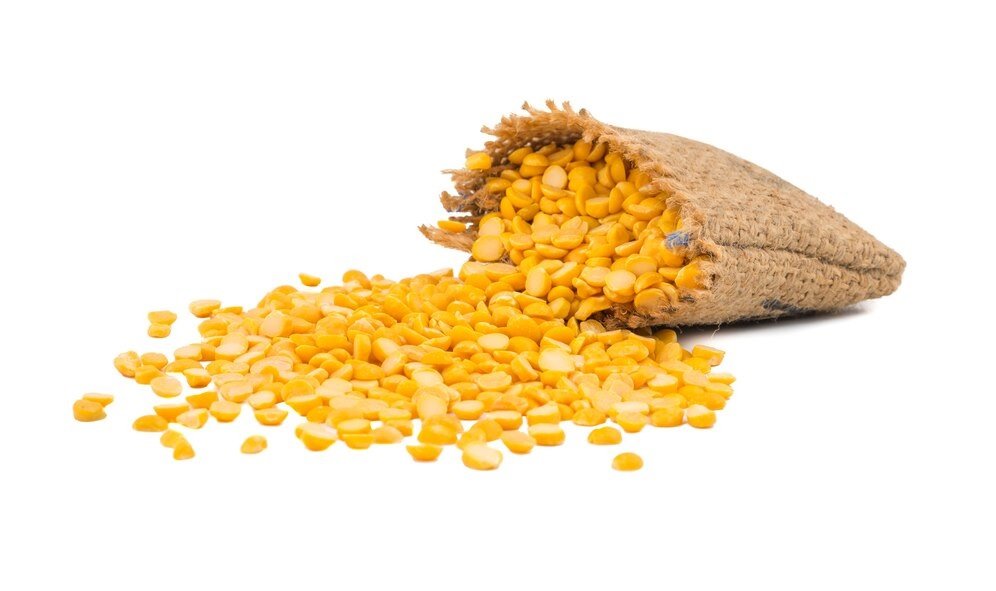
The signs of softening prices for tur (tuvar) are evident due to several factors, especially the expectation of better production and increased supply. Here's a breakdown of the key points contributing to this price trend:
Improved Production Expectations: While Kalaburagi district in Karnataka faced partial crop damage, other major producing states, including Maharashtra, are expected to have better production. This increase in total production compared to the last two years is likely to put downward pressure on prices.
Market Dynamics: As harvesting begins and the new crops from major producing states start to arrive in the mandis (markets), the supply is increasing. Additionally, imports from abroad are also contributing to the availability of tur in the market, further reducing the price.
Decreased Export Offer Prices: The decline in domestic prices has led Indian importers to adjust their price expectations. Since they no longer find it viable to contract imports at higher prices due to the falling domestic market prices, export offer prices are coming down.
Price Decline and Minimum Support Price (MSP): In the previous marketing seasons (2022-23 and 2023-24), tur prices were much higher than the MSP, and government agencies like NAFED and NCCF struggled to procure tur from farmers. However, the government has raised the MSP to Rs 7550 per quintal for the current season, and prices are starting to approach this support level. With the increased supply and market conditions, the prices may even fall below the MSP in the coming weeks.
Government Intervention: If prices fall below the MSP as expected, government agencies might step in to buy tur at the support price, as they did not successfully procure enough tur in previous seasons.
Urad Price Trend: The price of urad is also running around the MSP of Rs 7400 per quintal, with imports from Myanmar and Brazil contributing to its availability. The government has authorized the purchase of 9 lakh tonnes of tur, which may further affect the supply dynamics.
In conclusion, the combination of better production prospects, increasing arrivals in the mandis, falling domestic prices, and the government's MSP policies is expected to lead to softening prices for tur in the near future. This will impact both the wholesale market and the procurement strategies of government agencies.