
Pulse imports rose by 58% in the April-June quarter
18-Aug-2026 04:45 PM
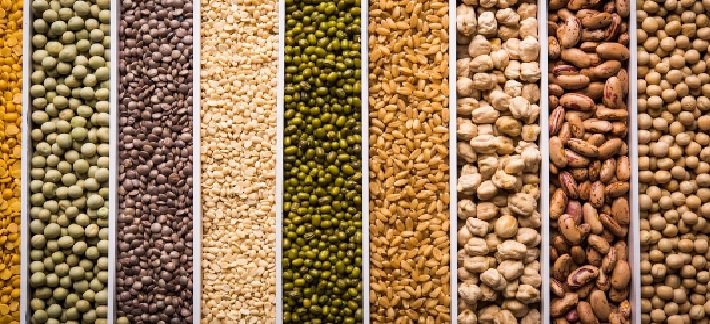
New Delhi. India's total pulse imports rose to 1.3 million tonnes during the first quarter of the current fiscal year (April-June 2026), marking an increase of approximately 58% compared to the same period last year. Anticipating the severe threat of El Niño and a decline in sowing areas, importers had placed significant emphasis on increasing pulse imports from abroad. However, the import expenditure for pulses rose by only 22%, reaching $0.72 billion. This indicates that despite India's robust demand, pulse prices in the global market remained relatively low.
According to trade analysts, the pace of pulse imports has slowed somewhat over the past month due to improvements in the sowing area for Kharif pulse crops and better rainfall conditions. Although the acreage for Tur (pigeon pea) and Moong (green gram) still lags behind last year's figures, the gap has narrowed significantly. Meanwhile, the sowing area for Urad (black gram) and Moth (dew bean) has surpassed last year's levels.
The Secretary of the India Pulses and Grains Association stated that total pulse imports for the current fiscal year will depend on sowing during the Kharif and Rabi seasons, monsoon rainfall, and the overall crop outlook. If there is good rainfall over the next two weeks, the condition of Kharif pulse crops could improve substantially. The earlier serious concerns regarding El Niño have largely dissipated, leading to reduced interest among importers in sourcing pulses.
Compared to the April-June 2025 period, India's imports of yellow peas surged by 163 percent to 3.90 lakh tonnes and lentil imports jumped by 164 percent to 4.30 lakh tonnes during April-June 2026; meanwhile, urad trade declined by 33 percent to 1.20 lakh tonnes, and tur imports slipped by 2 percent to settle at 2.80 lakh tonnes. The import of pulses from various countries is currently ongoing.