Home News
14-Nov-2026 11:59 AM
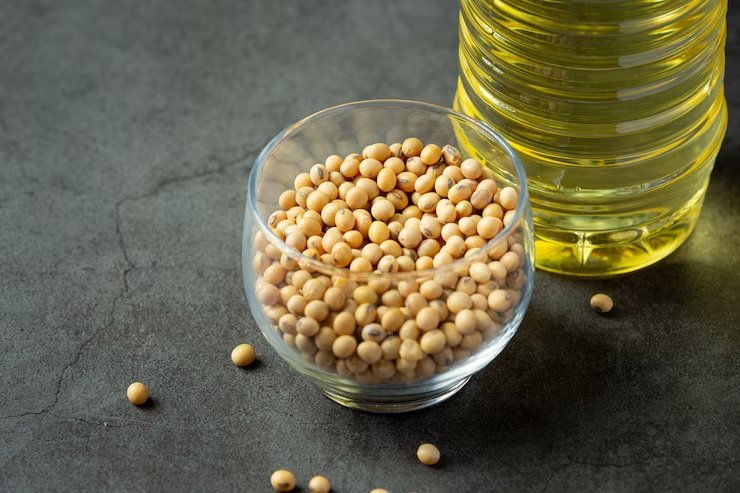
New Delhi. For many years, India has remained the largest importer of pulses and edible oils, and this position is unlikely to change in the near future. While domestic demand and consumption of these commodities continue to rise, their domestic production has remained largely stagnant within a certain limit.
India’s imports of pulses primarily include black gram (urad), pigeon pea (tur/arhar), lentil (masoor), desi chickpea, yellow peas, kidney beans (rajma), and cowpea, sourced from countries such as Myanmar, Canada, Australia, Russia, Brazil, and various African nations. Similarly, imports of edible oils—consisting mainly of palm, sunflower, and soybean oils—are sourced primarily from Malaysia, Indonesia, Thailand, Argentina, Brazil, and Russia.
India spends billions of dollars annually on the import of pulses and edible oils, placing a significant strain on the economy. The Vice-Chairman of NITI Aayog has emphasized the necessity of increasing domestic production to curb imports, suggesting that various strategies and measures must be seriously considered. Prime Minister himself has urged farmers to reduce their reliance on the cultivation of wheat, rice, and sugarcane, and instead increase the production of pulses and oilseeds.
In fact, the gap between domestic demand and supply for pulses and edible oils has widened to such an extent that it cannot be bridged overnight. Currently, India’s annual imports amount to approximately 5–6 million tonnes of pulses and 15–16 million tonnes of edible oils.