
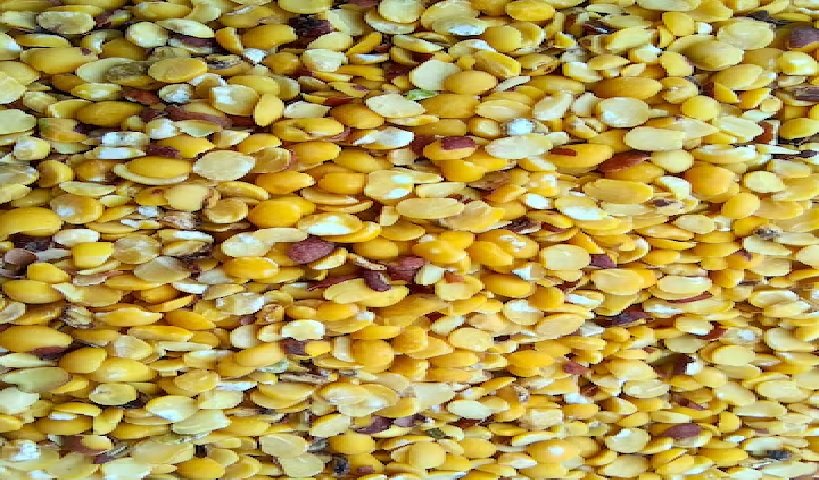
The central government has extended the deadline for the duty-free import of tur (tuvar) until March 31, 2026, in an effort to ensure a stable supply of this key pulse and to help control rising prices. The decision was made earlier than expected, signaling the government's intent to manage the supply chain effectively.
In the 2023-24 season, domestic production of tur was significantly lower than the demand, at just 34.17 lakh tonnes. This shortfall led to a sharp increase in prices, prompting a surge in imports.
From April to December 2024, imports rose to around 10.90 lakh tonnes, a record high compared to previous years (6.27 lakh tonnes in 2023, 6.34 lakh tonnes in 2022, and 5.92 lakh tonnes in 2021).
For the entire financial year 2024-25, the import of tur could potentially reach a record 12-13 lakh tonnes, surpassing previous years' totals (7.70 lakh tonnes in 2023-24, 8.96 lakh tonnes in 2022-23, and 8.40 lakh tonnes in 2021-22).
At the same time, production estimates for the 2024-25 season suggest an increase in output, with India projected to produce 38 lakh tonnes and Myanmar 3.75 lakh tonnes.
African countries may also see better yields. The arrival of fresh tur from domestic crops and imports from Myanmar is expected to increase supply and pressure prices downward.